
Lathyrus tremolsianus
Lathyrus tremolsianus
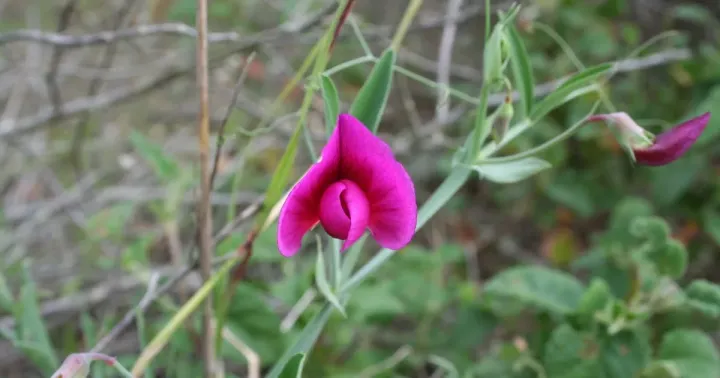
Description
Growing requirements
Lathyrus tremolsianus is a distinct species within the Fabaceae family, recognized for its specific adaptation to mountainous Mediterranean habitats.
This perennial herb possesses a robust physiological structure, allowing it to thrive in nutrient-poor, limestone-based soils typical of its native range.
The plant demonstrates significant tolerance to temperature fluctuations, which is an essential trait for survival in alpine and sub-alpine environments.
Successful growth relies on well-drained substrates and adequate exposure to sunlight, as excessive shade significantly inhibits its development.
As a legume, it contributes to soil health through symbiotic nitrogen fixation, maintaining local fertility in sensitive mountain ecosystems where this plant is found.
Main diseases and pests
The primary pathogenic threats include various fungal pathogens, specifically powdery mildew, which can compromise the photosynthetic capacity of the foliage.
Insect pests, such as weevils and aphids, represent a constant pressure on the plant's growth, particularly during the flowering and seed-setting stages.
Competition from more aggressive, non-native plant species often poses a risk to the stability of local populations in fragmented habitats.
Waterlogged soil conditions are detrimental to the root health of Lathyrus tremolsianus, frequently leading to secondary root rot infections.
Changes in landscape management and climate patterns continue to threaten the natural distribution and health of this specialized botanical variety.