
Lathyrus quinquenervius
Lathyrus quinquenervius
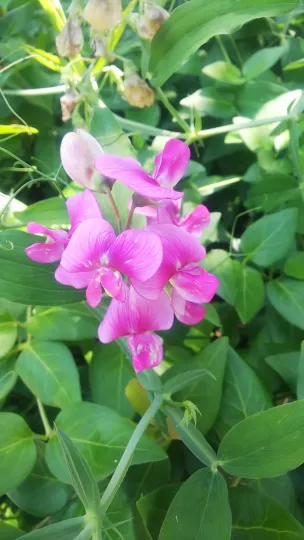
Description
Sowing dates
Lathyrus quinquenervius is a hardy perennial legume known for its robust growth habit in temperate regions. Sowing typically occurs in early spring, as soon as the soil is workable, to leverage the moisture accumulated from winter precipitation for seed germination.
The seeds have a naturally hard seed coat, making scarification a beneficial pre-sowing practice to ensure uniform field emergence. Proper seed treatment significantly boosts the stand density, which is crucial for establishing a high-yielding forage crop.
Row spacing should be carefully managed based on the final objective; closer rows are preferred for mass fodder production, while wider spacing is ideal for seed production to improve aeration and light penetration.
Seeding depth is generally maintained at 2 to 4 centimeters. Applying pressure with a roller after sowing is a critical step to ensure excellent contact between the seeds and the soil, promoting quick imbibition and early seedling vigor.
In a farming system, it is important to sow in clean fields, as the crop exhibits a relatively slow growth rate during the initial establishment phase. Weed management prior to and during early growth is essential for successful stand establishment.
Growing requirements
This species thrives in well-drained, fertile soil, demonstrating high adaptability to various soil types, ranging from sandy loams to heavier clay soils. It prefers neutral to slightly acidic pH levels for optimal nutrient availability.
The plant possesses a deep, well-developed root system that enables it to withstand moderate periods of drought. However, for maximum biomass production, consistent soil moisture during the peak growing season is necessary.
It requires moderate sunlight but can tolerate partial shade, making it a versatile option for diverse agroforestry or mixed-grass pasture systems. The plant relies on symbiotic nitrogen fixation, so ensuring the presence of specific rhizobia bacteria is vital.
Drainage is a critical requirement; the roots are sensitive to waterlogging, which can lead to crown rot and poor overall plant health. Selecting a field with a slight slope or good internal drainage is recommended.
Fertilization should prioritize phosphorus and potassium, which support root development and long-term perennial health. Nitrogen levels are usually sustained by the plant's own biological fixation, reducing the need for synthetic nitrogen input.
Yield
Yield potential is highest from the third year onwards as the stand matures. The crop is capable of producing multiple cuts per season under favorable weather conditions, providing a steady supply of high-quality protein-rich forage.
When managed for seed production, yield is influenced by the synchrony of bean maturation and harvest timing. Optimal nutrient balance promotes vigorous flowering and pod set, which are the main determinants of seed yield.
The biomass quality remains high throughout the vegetative phase, provided it is harvested before the stems become too lignified. High-protein content makes this crop an excellent choice for hay or silage production.
Soil management, including regular maintenance of nutrient levels, ensures that the yield remains consistent over several years. As a nitrogen-fixing legume, it also improves the soil's physical and chemical properties for subsequent crops.
Monitoring the growth cycle and adjusting the harvest schedule based on plant development stages is key to maximizing the total annual yield and economic return per hectare.
Main diseases and pests
The primary threats include various insect pests, such as weevils and aphids, which can damage the tender foliage and developing pods. Integrated pest management (IPM) strategies, including biological control, are recommended to maintain ecological balance.
Fungal diseases like powdery mildew and various rusts can impact the crop, particularly under conditions of high humidity and stagnant air. Maintaining good crop density and field hygiene are effective preventive measures.
Weeds compete for resources and can quickly overwhelm a young stand of Lathyrus quinquenervius. Targeted mechanical weed control or selective herbicides should be applied early in the season if infestation levels warrant action.
Root rot caused by soil-borne pathogens can be an issue if soil aeration is compromised. Crop rotation is a fundamental practice to prevent the buildup of these pathogens in the field over time.
- Insect damage to leaves and pods
- Fungal leaf diseases (powdery mildew)
- Aggressive weed competition
- Root rot due to water stagnation
Harvesting
Harvesting for forage is ideally conducted during the full bloom phase, which represents the optimal trade-off between biomass volume and nutritional quality. Delaying the harvest leads to increased fiber content and reduced feed value.
Seed harvesting requires careful adjustment of equipment to minimize mechanical damage to the seeds. Separating the grain using appropriate settings on the combine harvester ensures a high-quality product for future planting or processing.
Post-harvest management is equally important; rapid drying of the forage helps preserve essential vitamins and protein content. The use of modern hay-making machinery can significantly improve the quality of the end product.
Cleaning and storing the seeds in a dry, well-ventilated environment prevents spoilage and maintains viability for future seasons. Proper moisture control is essential to prevent heat buildup in stored seed lots.
After the final cut, leaving a small amount of stubble can help the plants survive the winter and promote faster regrowth in the following spring, ensuring the longevity of the pasture stand.