
Larsenianthus careyanus
Larsenianthus careyanus
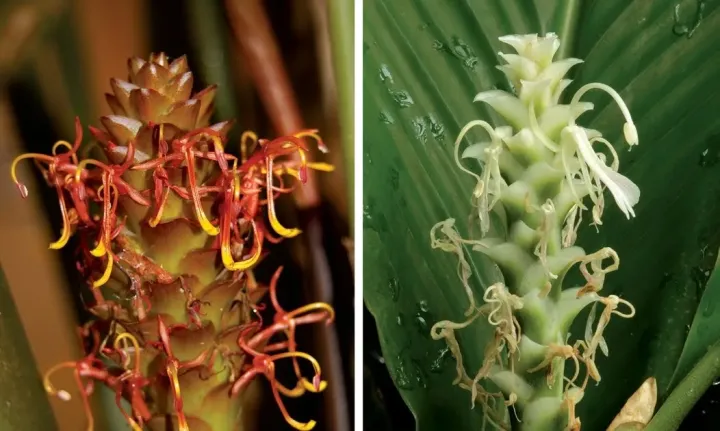
Description
Growing requirements
Larsenianthus careyanus is a distinct species within the Zingiberaceae family, native to the lush, humid forests of Northeast India and parts of Bangladesh.
To cultivate this species successfully, it is essential to replicate a tropical environment, characterized by high atmospheric humidity and constant, warm temperatures.
The substrate must be highly porous and rich in organic matter to mimic forest floor conditions while preventing the waterlogging that poses a severe risk to the rhizomes.
The plant thrives in partial shade; excessive direct sunlight tends to bleach the leaves and can lead to irreversible cellular damage to the delicate foliage.
During the growing season, consistent moisture is vital, while the dormant winter period requires a drastic reduction in water application to prevent rot.
Main diseases and pests
Fungal infections, particularly root rot, are the most frequent challenges, often triggered by poorly drained growing media or excessively cold and damp conditions.
Pests such as spider mites and mealybugs can infest the plant, especially if the air circulation is inadequate or if the plant is kept in an environment with low humidity.
Effective management includes maintaining a clean growing space and applying systemic insecticides when early signs of infestation are identified on the underside of leaves.
Regular sanitation, such as removing senescent leaves and debris, prevents the accumulation of pathogens that could lead to widespread infection in a greenhouse setting.
Providing optimal environmental stability is the most robust form of defense, as vigorous plants are naturally more resistant to standard greenhouse pests and diseases.