
Larsenianthus assamensis
Larsenianthus assamensis
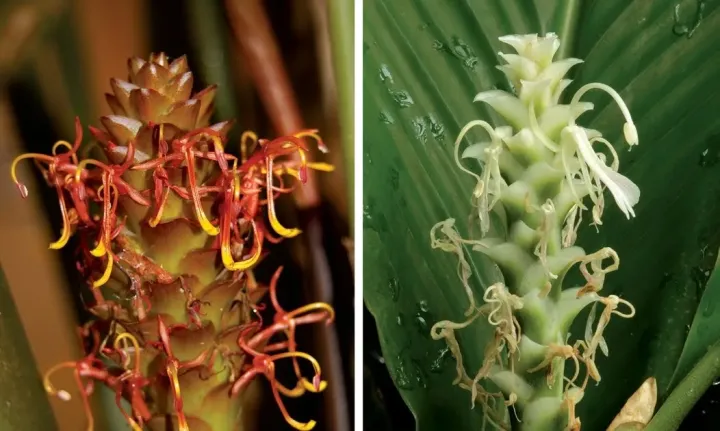
Description
Growing requirements
Larsenianthus assamensis is a rare rhizomatous perennial belonging to the Zingiberaceae (ginger) family. Originally discovered in the lush forests of Assam, India, this species is noted for its unique, cone-like inflorescences that make it a standout among tropical ornamentals.
To thrive, the plant requires a high-humidity environment that mimics its natural forest floor habitat. It prefers consistent temperatures between 22°C and 30°C and should be protected from harsh, direct sunlight, which can scorch the delicate foliage.
The ideal soil profile for this crop is a light, well-draining potting medium rich in organic matter. Adding components like composted bark and perlite helps maintain an open structure, ensuring that the rhizomes receive sufficient oxygen and preventing waterlogging.
Standard agronomic practices involve regular watering during the active growing season, combined with monthly feeding of a balanced liquid fertilizer. A dormant period during cooler months is recommended, during which time watering should be significantly reduced.
Currently, the primary utilization of Larsenianthus assamensis is ornamental. It is highly valued in botanical gardens and private collections for its striking red and white flowers, and researchers are exploring its potential as a specialty cut-flower crop in tropical climates.
Main diseases and pests
The primary threats to this plant under glasshouse conditions are spider mites, which thrive in dry air. Routine monitoring of the undersides of leaves and maintaining optimal ambient humidity are the most effective cultural controls against these pests.
Root rot caused by stagnant water is a significant danger to the rhizome structure. Cultivators must ensure that pots have adequate drainage holes and that the growing medium does not remain saturated for extended periods, especially during the winter dormant phase.