
Lardizabala
Lardizabala biternata
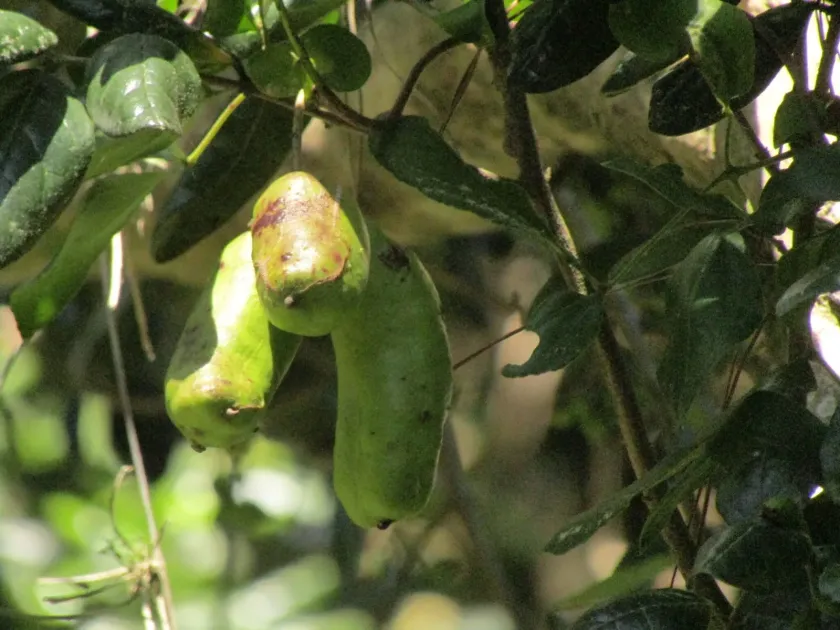
Description
Growing requirements
Lardizabala biternata is a vigorous, evergreen woody vine belonging to the Lardizabalaceae botanical family.
Native to the forests of central and southern Chile, this plant thrives in mild, humid climates where it uses its tendrils to climb native vegetation.
The cultivation of this species requires well-drained, nutrient-rich soils and a semi-shaded position to prevent leaf scorching during the peak of summer.
Adequate irrigation is crucial for fruit development, as the plant is sensitive to drought and prefers a consistent level of soil moisture throughout the year.
Regarding agrotechnics, providing a strong structural support system is essential for managing the long, twining stems and ensuring optimal air circulation.
Harvesting
The harvest period for Lardizabala fruits typically occurs in late autumn, when the berries reach full maturity and turn a deep purple color.
The fruits are harvested by cutting the stems carefully to avoid damaging the vine, as the berries are delicate and prone to bruising.
Post-harvest, the fruits should be stored in a cool, ventilated area to maintain their unique flavor profile and nutritional quality.
Since the fruits have a relatively short shelf life, it is recommended to consume or process them shortly after collection for optimal taste.
Proper harvest management ensures the vine remains healthy and continues to produce high-quality yields in subsequent seasons.