
Lapidaria margaretae
Lapidaria margaretae
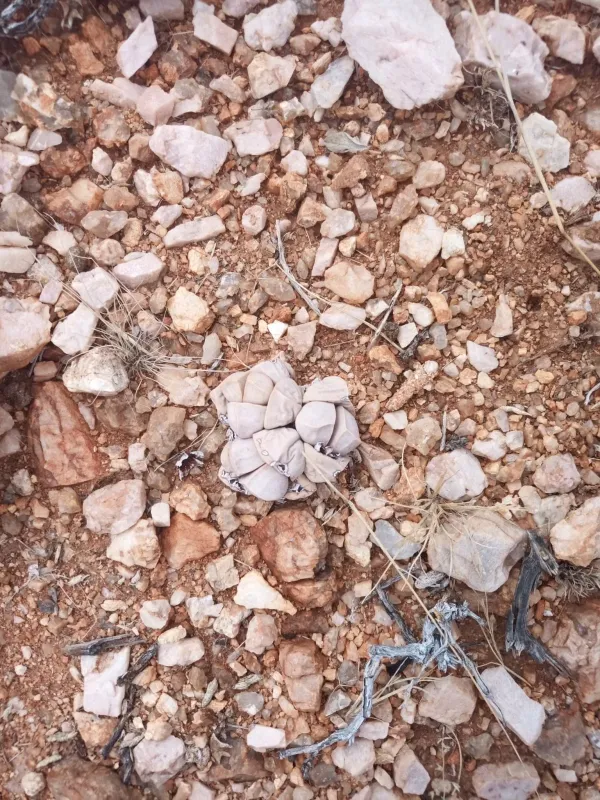
Description
Sowing dates
Sowing Lapidaria margaretae seeds is best performed during early spring. The seeds require stable temperatures between 20°C and 25°C to break dormancy effectively.
A well-draining, mineral-based substrate is essential for germination. Surface sowing is recommended, covering the seeds only lightly with fine grit or sand.
Maintaining high humidity in the initial weeks is crucial. A small propagator or covered seed tray ensures the constant moisture levels needed for uniform germination.
Seedlings develop slowly and should remain in their original container for the first year. Proper ventilation after germination helps prevent damping-off diseases.
Seedlings are extremely sensitive to moisture fluctuations. Gradual hardening-off is necessary before exposing them to the direct sunlight required by adult plants.
Growing requirements
Lapidaria margaretae belongs to the Aizoaceae family and originates from the arid regions of South Africa. It is a specialist plant evolved for extreme drought.
The plant requires intense, direct sunlight for the majority of the day. Inadequate light results in etiolation, where the plant loses its natural, compact shape.
The potting medium must be inorganic and fast-draining. A mix of pumice, lava rock, and coarse sand is ideal to prevent water retention around the roots.
Seasonal water management is vital. During the active growing phase, water sparingly, and keep the substrate completely dry during the winter dormant season.
Adequate airflow is necessary to mimic the natural desert environment. Proper ventilation keeps the foliage dry and reduces the risk of fungal pathogens.
Main diseases and pests
Root rot is the primary threat to this species, almost always caused by overwatering or soil mixes that retain too much moisture for too long.
Mealybugs are the most common pests, often hiding in the crevices between the leaves. Regular inspections are necessary to identify early signs of infestation.
Spider mites can occur if the environment is too dry and lacks sufficient circulation. They can damage the surface of the leaves, leaving unsightly scars.
Chemical treatments should be used with extreme caution, as the plant's tissues can be sensitive to concentrated insecticides and herbicides.
Proactive care involves monitoring for color changes in the leaves, which often indicate the plant is stressed by either lack of light or improper hydration.