
Lamyropsis cynaroides
Lamyropsis cynaroides
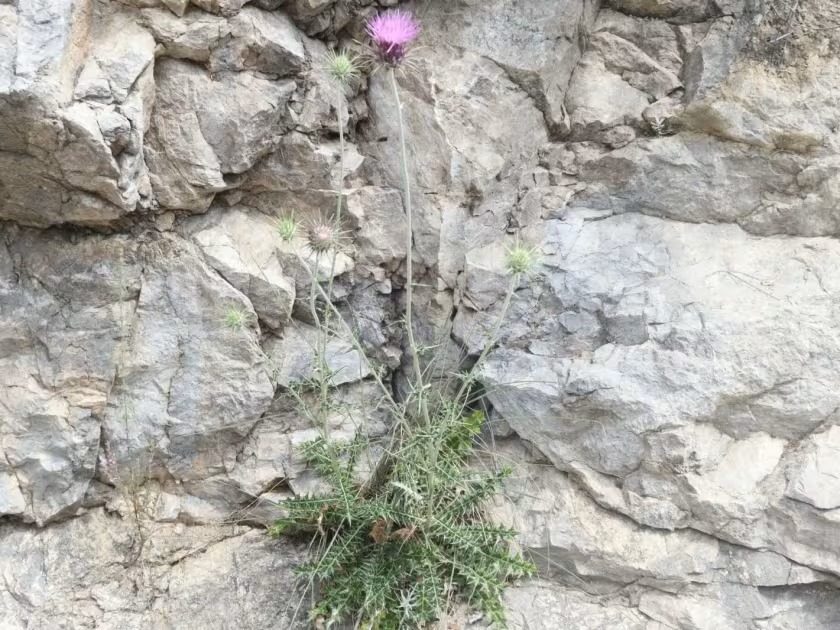
Description
Sowing dates
Lamyropsis cynaroides is a perennial herbaceous plant belonging to the Asteraceae family. It is recognized for its unique artichoke-like appearance and robust growth habit in Mediterranean-type climates.
The sowing season typically begins in early spring. Seeds require a period of stratification to break dormancy and ensure uniform germination across the field or seed tray.
Optimal planting depth is 1.5 to 2 centimeters in a well-drained, sandy-loam soil mix. Row spacing should be maintained at roughly 50 centimeters to ensure adequate airflow between mature plants.
Propagation through nursery seedlings is highly recommended to control initial development. Seedlings are typically transplanted once they reach the four-leaf stage and have established a stable root system.
Moisture control during the germination phase is critical. Using a light mulch can help regulate soil temperature and prevent the crusting of the soil surface.
Growing requirements
This species thrives in high-light conditions and should be planted in full sun exposure. Sunlight is essential for the development of its distinct morphological features and overall health.
Soil requirements focus on alkalinity and drainage. Lamyropsis cynaroides prefers well-aerated, neutral to slightly alkaline soils where water does not accumulate near the crown.
While the plant is quite drought-tolerant once established, supplementary irrigation during the flower-bud formation stage can significantly improve biomass and yield.
Temperature range tolerance is relatively broad, though it prefers moderate climates. Protection from extreme freezing temperatures may be necessary in colder regions using organic cover.
Fertilization should prioritize potassium and phosphorus during the vegetative cycle to strengthen the stems and promote healthy root development throughout the growing season.
Main diseases and pests
Common agricultural threats include aphids, which frequently colonize the tender tissues of the plant. Early detection is key to preventing stunted growth and potential viral transmissions.
Root rot caused by fungal pathogens is a significant danger if drainage is inadequate. This is often exacerbated by high humidity and stagnant water around the root collar.
Integrated Pest Management (IPM) practices, including the use of biocontrol agents and targeted insecticidal applications, are recommended to maintain plant health.
Field sanitation is essential; removing plant debris at the end of the season reduces the overwintering capacity of common pests and fungal spores.
Regular monitoring of field conditions, combined with proper spacing to increase airflow, remains the most effective strategy against fungal foliage diseases like powdery mildew.