
Hare's tail grass
Lagurus ovatus L.
Description
Sowing dates
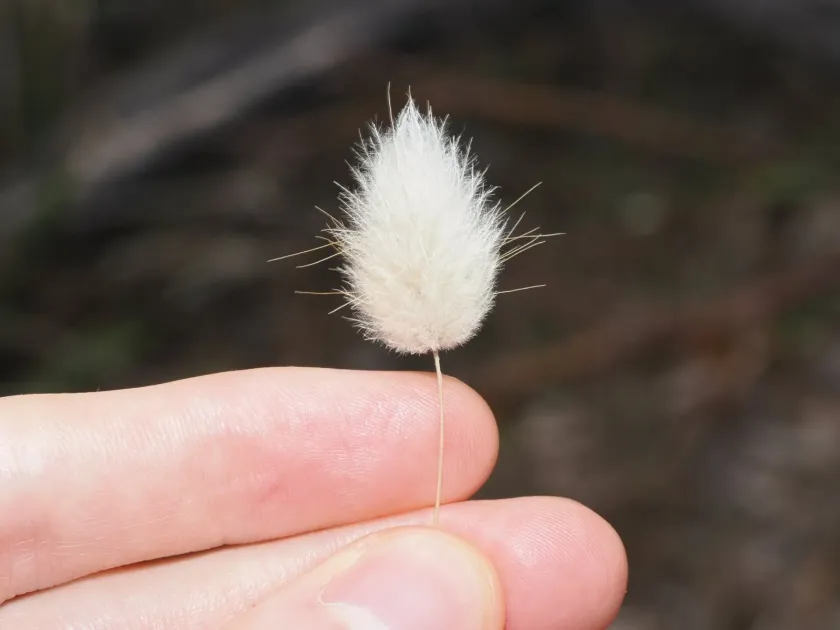
Hare's tail grass (Lagurus ovatus L.) is an annual plant belonging to the Poaceae family. Known for its soft, bunny-tail-like flower heads, it is a popular crop for the floral and dried flower industry.
The optimal sowing time is spring, once the threat of frost has passed. For professional production, starting seeds indoors in modules during late winter allows for an earlier harvest and more uniform crop development.
Seeds are sown on the surface of well-drained compost and lightly covered with vermiculite or soil. They require light and consistent warmth, around 18–22 degrees Celsius, to germinate effectively within two weeks.
Seedlings should be hardened off before being transplanted into the field. Spacing of 15–20 cm is recommended to ensure each plant receives adequate light and airflow, reducing the risk of fungal diseases.
Direct sowing in the field is possible in regions with mild climates. However, this often results in a shorter flowering season compared to indoor-started plants, so timing should be adjusted based on local climate data.
Growing requirements
This species thrives in full sun. Exposure to direct sunlight is essential for the development of dense, high-quality inflorescences that are desirable for commercial use.
Soil requirements are relatively specific: the plant demands sandy, well-drained soil with a neutral to slightly alkaline pH. It performs poorly in heavy, waterlogged clay soils, which promote root rot.
While the plant is somewhat drought-tolerant once established, irrigation is necessary during dry spells to maintain vigour. Over-fertilization, especially with nitrogen, should be avoided as it leads to weak stems and lodging.
Optimal growth occurs in temperatures between 15 and 25 degrees Celsius. The plant is adapted to Mediterranean-type climates, characterized by warm, dry growing seasons.
Standard agrotechnical practices include light weeding to prevent competition for nutrients during the early stages of growth, as the grass is relatively slow to establish initially.
Main diseases and pests
Lagurus ovatus is generally resilient, but it can be susceptible to fungal issues such as rust or mildew if planted in overcrowded conditions with poor ventilation.
Root rot caused by Pythium or Rhizoctonia species can occur if the soil moisture levels are consistently too high, particularly in cool or cloudy weather.
Aphids may occasionally infest the developing inflorescences, causing curling or stunted growth. Regular monitoring of the flower heads during the development stage is crucial for a high-quality yield.
Grasshoppers and other chewing insects can cause mechanical damage to the leaves, which reduces the plant's aesthetic value. Integrated pest management techniques should be employed to mitigate these risks.
Proper field sanitation, including the removal of crop debris after harvest, helps to minimize the overwintering of pathogens and insect populations in the growing area.
Harvesting
Harvesting for commercial dried flower production must take place before the seeds have fully matured. The ideal stage is when the flower heads are plump, soft, and firm to the touch.
Cut the stems at the base using sharp, disinfected shears. Cutting early in the morning, once the dew has evaporated, is recommended to ensure the highest quality of the harvested material.
The stems should be gathered in small bunches and hung upside down in a dark, dry, and well-ventilated location. Rapid drying in direct sunlight causes bleaching and brittleness of the inflorescences.
Once dried, the grass can be kept as a natural product or processed with decorative dyes. Professional drying rooms with humidity control are used to maintain the softness of the 'tails'.
Final storage should be in a climate-controlled environment. Properly dried and treated Lagurus ovatus can maintain its aesthetic appeal for several seasons if kept away from humidity and direct UV light.