
Lagotis kunawurensis
Lagotis kunawurensis
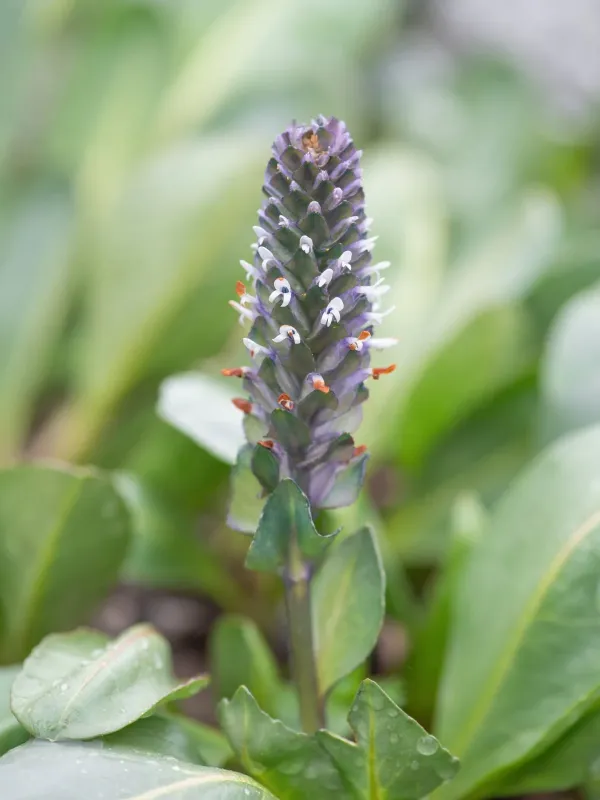
Description
Growing requirements
Lagotis kunawurensis is a hardy perennial herb belonging to the Plantaginaceae family. It is native to the high-altitude regions of the Himalayas and the Tibetan Plateau, where it has evolved to thrive in harsh, rocky, and nitrogen-poor soil environments.
The plant is characterized by a dense rosette of leaves and short, upright flower spikes. Its botanical structure is optimized for survival at high elevations, allowing it to withstand freezing temperatures and strong winds characteristic of its natural habitat.
Cultivation requires specific environmental conditions that mimic high-altitude ecosystems. Ideal soil conditions must be extremely well-drained, preferably gravelly or sandy, with a neutral to slightly acidic pH to prevent moisture accumulation around the roots.
The climate must be cool and humid during the growing season. While the plant requires plenty of sunlight to mature, it is sensitive to intense heat, making it difficult to cultivate in lowland agricultural zones without special climate control.
The primary use of Lagotis kunawurensis is within traditional medicine systems, particularly in Tibetan practices. It is valued for its anti-inflammatory properties and its potential as an adaptogenic agent, making it a subject of interest for sustainable cultivation research.
Main diseases and pests
Root rot caused by waterlogged soil is the primary threat to the stability of Lagotis kunawurensis crops. Excess moisture limits oxygen availability, which is fatal to this species accustomed to aerated mountain soils.
Pests such as alpine aphids can infest foliage during the peak growing season, leading to stunted development and yellowing leaves. Manual inspection and removal are the preferred methods of control to ensure the purity of the medicinal product.
Fungal infections, such as leaf spot, can occur if the humidity levels are too high without adequate air circulation. Improving airflow between plants is essential for maintaining a healthy and productive crop population.
In cases of severe infestation, biological control agents are preferred over synthetic pesticides to maintain the high quality of raw medicinal materials. Preventive hygiene is the best strategy for farm management.
Environmental stress, such as unseasonable temperature spikes, can weaken the plant's natural defenses, making it more susceptible to opportunistic pathogens. Careful temperature management is therefore critical for yield security.