
Lagotis glauca
Lagotis glauca
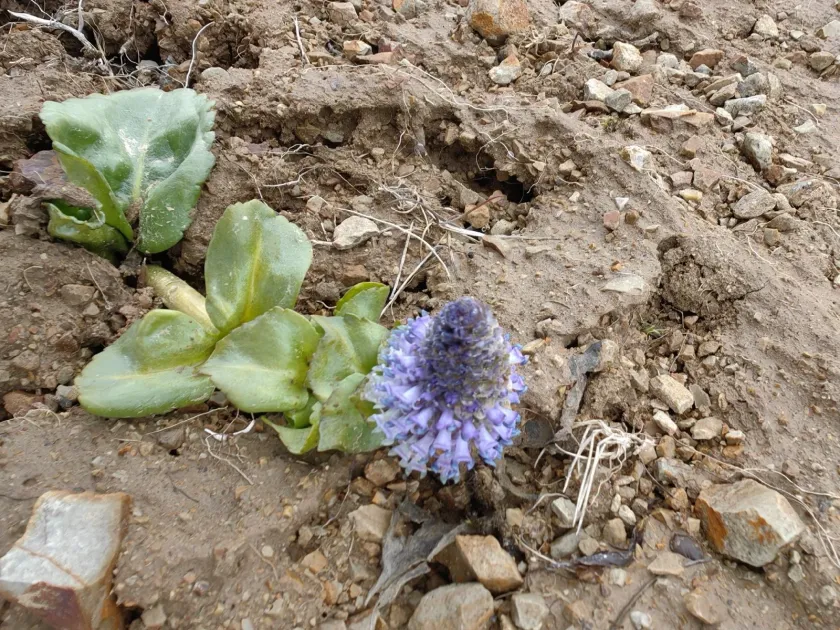
Description
Growing requirements
Lagotis glauca is a perennial herb belonging to the Plantaginaceae family, native to the alpine and arctic regions of the Northern Hemisphere. It thrives in harsh environments characterized by low temperatures, high UV exposure, and short growing seasons.
The plant exhibits distinct botanical features such as fleshy, glaucous leaves arranged in a basal rosette, providing adaptation to windy and cold conditions. The inflorescence consists of dense, spike-like racemes which are typical for this genus.
Successful cultivation requires soil that mimics alpine conditions: well-drained, porous, and nutrient-rich. It is essential to avoid waterlogged conditions, which promote fungal infections and decay of the root system during the dormant season.
The climate requirement is strictly cool; the plant does not perform well in areas with hot, humid summers. It prefers full sun to light shade and benefits from areas with consistent airflow to mitigate the risk of pathogen accumulation.
Propagation is primarily achieved through seed sowing in early spring or division of older, mature clumps. The seeds require a period of stratification to break dormancy, reflecting their natural evolutionary strategy for survival in arctic climates.
Harvesting
Harvesting Lagotis glauca for medicinal or botanical purposes is performed during the peak flowering stage to ensure the highest concentration of bioactive compounds. Care is taken to collect only healthy foliage and flowers.
The harvesting process involves manual cutting to prevent damage to the central crown of the plant. Maintaining the integrity of the root system is crucial for the plant's ability to regenerate and provide yields in subsequent years.
After harvesting, the material is dehydrated in a temperature-controlled environment to prevent degradation of volatile compounds. Efficient drying is essential to maintaining the quality and market value of the harvested raw material.
In ornamental applications, harvest management involves removing spent flower spikes to encourage vegetative growth and improve the aesthetic appeal of the perennial throughout the growing season.
Sustainable harvesting practices are essential, especially when dealing with wild-collected samples, though managed nursery cultivation is now the preferred method to meet industrial demands for this specialized crop.