
Lagopsis supina
Lagopsis supina
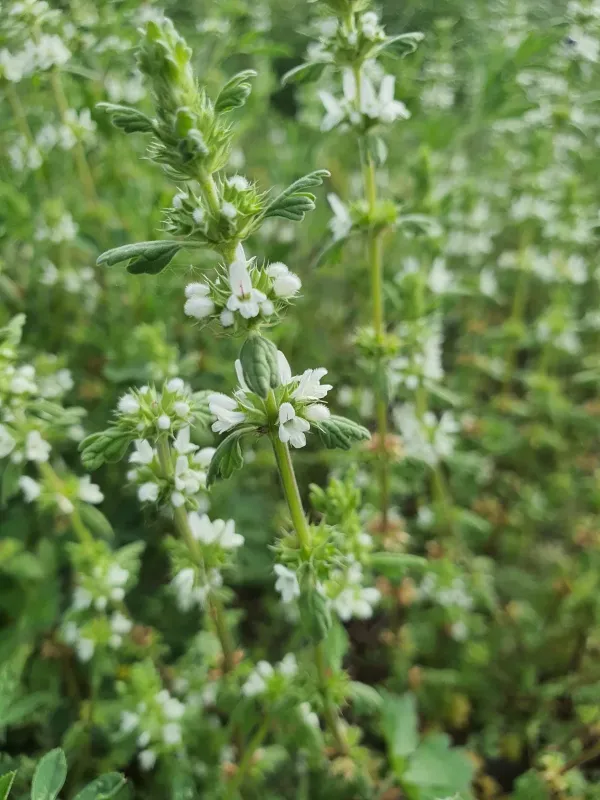
Description
Sowing dates
Sowing seeds of Lagopsis supina in a cultivated environment is usually carried out in the spring period when the soil warms up to a temperature of 10–12 degrees Celsius. Ensuring sufficient substrate moisture is crucial for the successful germination of these small seeds.
The optimal time for sowing is considered to be April or early May, which allows the plant to form a robust leaf rosette before the onset of summer heat. Sowing is performed in rows with inter-row spacing of up to 30–45 centimeters.
The seeding depth should not exceed 0.5–1 centimeter, as the seeds are highly sensitive to light and require shallow placement. After sowing, it is recommended to slightly compact the soil surface to ensure better seed-to-soil contact.
Seedlings emerge within 14–20 days, provided there is regular watering and no formation of a dense soil crust. In the first year of life, the crop develops a root rosette and a root system, intensively increasing green biomass.
The crop is highly responsive to spring harrowing, which helps eliminate early weeds and ensures oxygen access to the roots during the initial stages of development.
Growing requirements
Lagopsis supina is a perennial herbaceous plant from the Lamiaceae family, naturally found on dry rocky slopes, steppe areas, and along riverbanks in East Asia.
The plant has moderate soil requirements, preferring well-drained sandy or sandy loam soils with a neutral or slightly alkaline pH. Stagnant moisture is detrimental to the root system.
For normal development, the crop requires a sunny location, as insufficient lighting decreases the concentration of biologically active substances in the aerial parts.
Lagopsis shows high resistance to drought periods due to its morphological features; however, in industrial cultivation, it requires periodic irrigation during the active growing phase.
The temperature regime should be moderate; the crop can withstand significant fluctuations in daily temperatures, which is typical for its natural distribution in mountainous areas.
Yield
The economic productivity of Lagopsis is evaluated by the yield of dry aerial mass, which is used in the pharmaceutical industry and traditional medicine, especially in Tibetan practices.
Green mass yield directly depends on plant stand density and mineral nutrition during the budding phase. With proper agricultural management, consistent annual harvest figures can be achieved.
On average, the yield of dried raw material ranges from 1.5 to 2.5 tonnes per hectare, depending on irrigation conditions and soil fertility in the plantation.
The maximum yield of active compounds, such as flavonoids and essential oils, is achieved when harvested during the full flowering period, when the concentration of components in stems and leaves is at its peak.
Subsequent cuts can be made as the foliage grows back, but intensive plantation management requires fertilization to restore the potential of the rhizomes.
Main diseases and pests
The most dangerous diseases for Lagopsis are fungal infections, such as powdery mildew and root rot, which arise from poor moisture management and inadequate soil aeration.
Among pests, the greatest damage is caused by phytophages that feed on the sap of young leaves: aphids and spider mites. In high-humidity conditions, slug infestations can damage the leaf rosette.
To prevent the spread of infections, it is necessary to follow crop rotation and avoid overcrowding, ensuring free air circulation between the plants.
Preventive treatment with biological preparations based on bacteria or antagonist fungi allows for minimizing the chemical load on the medicinal crop while maintaining the purity of the raw material.
Regular inspection of plantations for the first signs of spotting or insect damage allows for timely action to contain infection outbreaks.
Harvesting
Harvesting is conducted during the mass flowering phase of the plant by cutting the aerial part at a height of 5–10 centimeters from the ground surface.
The harvested material must be sent for drying quickly to avoid oxidation and spoilage of the plant material. The optimal drying temperature is 35–45 degrees Celsius.
For mechanization of harvesting, specialized mowers with collectors can be used, allowing for precise cutting without damaging the root collar of the plant.
After drying, the plant material undergoes cleaning from impurities and grinding according to pharmacopoeial standards for subsequent use in pharmaceutical production.
Storage of dried Lagopsis should be in dry, well-ventilated rooms, protected from direct sunlight, to preserve the medicinal properties of the raw material over a long period.