
Lagophylla ramosissima
Lagophylla ramosissima
Description
Sowing dates
Lagophylla ramosissima is an annual herbaceous plant belonging to the Asteraceae family. In its natural habitat, the life cycle typically begins with seed germination during autumn or early spring, depending on the climatic conditions of the specific geographic region.
To ensure optimal development of the basal rosette and subsequent bolting, the seeds require consistent soil moisture and moderate temperatures. In agricultural settings, sowing dates should be carefully timed to minimize competition with weeds, as the plant exhibits relatively slow growth in its initial stages.
The sowing technology involves the use of precision planters suitable for small, lightweight seeds, as the seed material has a high tendency for dispersal. The optimal planting depth is approximately one to two centimeters to ensure proper contact with the soil while allowing for emergence.
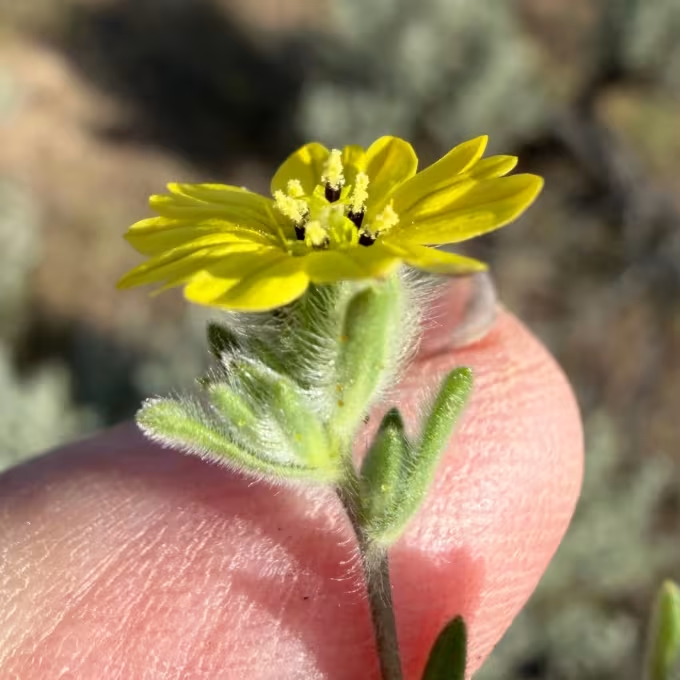
As the vegetation progresses, the plant produces a highly branched stem, which is a distinctive morphological trait of this species. The growing season culminates in a period of mass flowering, followed by the development of achenes that require favorable weather to mature fully.
The crop shows significant adaptation to environments characterized by seasonal water scarcity, making it a promising candidate for research in sustainable agricultural systems within Mediterranean-type climates.
Growing requirements
Lagophylla ramosissima thrives in open, well-lit areas with light, well-drained soils. The plant is highly sensitive to waterlogging, and thus, field selection should avoid low-lying areas or heavy soils prone to persistent dampness.
While the plant is not overly demanding regarding soil type, the best results are generally achieved in sandy loam or light silty soil structures. The ideal pH level for the crop is within the slightly acidic to neutral range.
The temperature regime during the growing season should be temperate. Although the plant is adapted to daily temperature fluctuations, stable warmth is required during the flowering phase to facilitate efficient pollination and seed set.
The species possesses an efficient root system capable of accessing water from deeper soil horizons. This drought tolerance makes it suitable for extensive cultivation in areas where irrigation is limited or unavailable.
Fertilization should be managed conservatively, as excessive nitrogen application can lead to rank vegetative growth, potentially reducing seed yield and overall crop quality at harvest time.
Main diseases and pests
In its native range, Lagophylla ramosissima is rarely affected by specific diseases; however, dense stands can be susceptible to powdery mildew under conditions of high humidity and poor air circulation.
Key pests include various aphid species that damage young shoots and inflorescences by extracting plant sap. Vigilance against plant bugs during the flowering phase is also necessary to prevent damage to the developing seed heads.
Root rot diseases may occur if irrigation is managed poorly, especially in heavy soils with inadequate aeration. Maintaining a proper crop rotation cycle and using certified, pathogen-free seeds are essential strategies for minimizing these risks.
Weed competition is a significant concern during the initial establishment phase. Due to the slow growth rate of young plants, intervention through cultivation or selective herbicide application is often necessary to ensure the crop gains a competitive advantage.
Mollusks, particularly slugs, can pose a threat to seedlings during cool, wet springs. Infestations on young plants can lead to significant stand depletion, requiring timely monitoring and protective measures.