
Lagoecia cuminoides
Lagoecia cuminoides
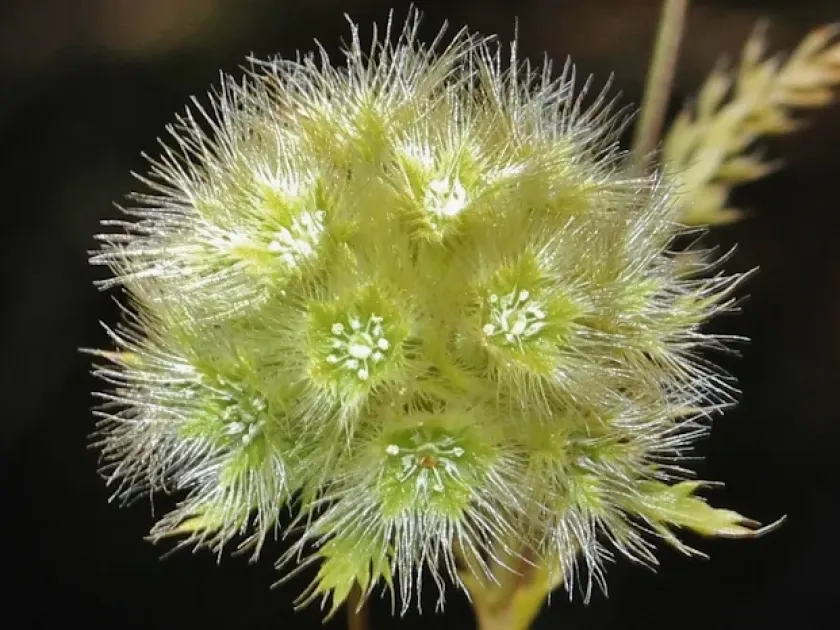
Description
Growing requirements
Lagoecia cuminoides, commonly known as false cumin, is a distinct annual herbaceous plant belonging to the Apiaceae family. It is the sole member of its genus, characterized by dense, capitate inflorescences that resemble the common cumin plant.
The plant is native to the Mediterranean basin, extending through Southern Europe, the Middle East, and parts of North Africa. It naturally thrives in rocky habitats, dry grasslands, and lime-rich soils where other competing vegetation struggles to survive.
In terms of climatic requirements, Lagoecia cuminoides demands abundant sunlight and heat during its growing season. It is specifically adapted to Mediterranean climate zones, which provide the necessary dry periods for maturation and seed development.
Regarding soil conditions, this crop prefers well-drained, alkaline, or calcareous substrates. It exhibits remarkable drought tolerance, which is a key trait for arid-land farming, though it requires sufficient moisture during the initial germination phase.
The agricultural usage of this crop primarily revolves around its aromatic seeds. These are utilized as a local culinary spice due to their pungent, cumin-like aroma, and they have potential applications in the extraction of specialized essential oils for cosmetics.
Main diseases and pests
The primary threats to Lagoecia cuminoides are soil-borne pathogens and fungal infections that arise in poorly drained fields. Excess humidity during the flowering stage often leads to botrytis or root rot, which can significantly devastate the crop yield.
Common insect pests include aphids and larvae of specific umbellifer-feeding moths. Integrated pest management strategies, focusing on site selection and crop rotation, are essential to mitigate the impact of these threats and ensure a stable harvest.