
Lagenaria
Lagenaria siceraria (Molina) Standl.
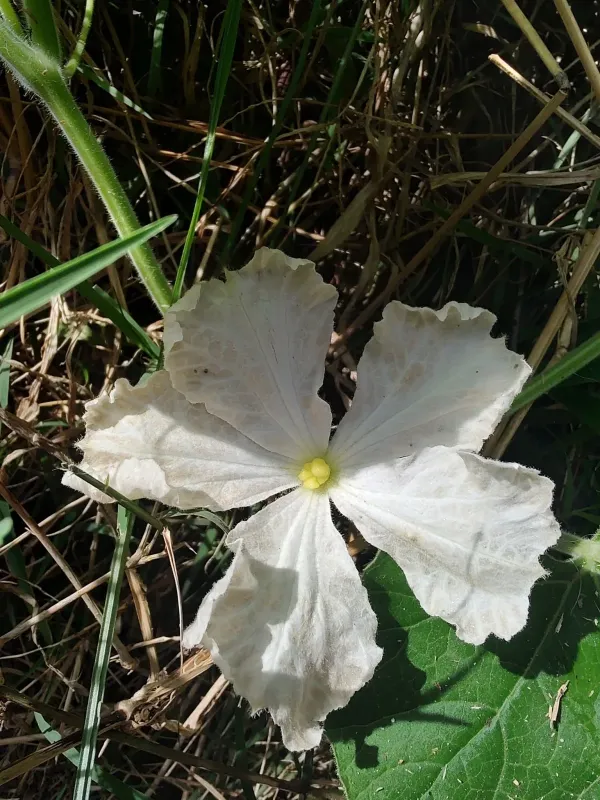
Description
Sowing dates
Lagenaria siceraria is a heat-loving vine that requires a long growing season to reach full maturity. Because of its tropical origins, gardeners in temperate zones must start seeds indoors 4–6 weeks before the last expected frost date to ensure success.
It is recommended to sow seeds in biodegradable peat pots because the plant has a delicate root system that suffers significant stress during transplantation. Using larger containers helps prevent root binding before the outdoor move.
Germination requires warm conditions, ideally between +23°C and +25°C. Before planting, soaking the hard-coated seeds in warm water for 24 hours can significantly improve the speed and uniformity of sprouting.
Once the risk of frost has passed, seedlings can be transplanted into the garden. It is vital to wait until the soil is consistently warm, as cold, damp soil can lead to seed rot and stunted growth in young plants.
In warmer climates with long, hot summers, direct seeding into prepared garden beds is possible once the soil temperature stays above +18°C, which allows the plant to develop a deep, robust root system naturally.
Growing requirements
Lagenaria thrives in full sun and requires a warm, sheltered location to perform well. The vines are vigorous and benefit greatly from vertical support systems like sturdy trellises, fences, or pergolas to keep the fruit off the ground.
The soil should be well-drained, fertile, and rich in organic matter. A sandy or silty loam with a neutral pH is ideal for promoting rapid vine development and healthy fruit production throughout the growing season.
Regular fertilization is essential for this heavy-feeding plant. Incorporating aged manure or compost into the soil before planting provides a steady supply of nutrients, while liquid fertilizers can be applied during peak growth.
Consistent moisture is key, especially during the flowering and fruit-setting stages. While the plant can tolerate short periods of dryness, steady soil moisture is necessary to avoid fruit malformation and ensure high yields.
Proper airflow is another requirement for healthy cultivation. By training the vines upward, gardeners minimize the risk of humidity-related fungal issues and improve the overall structural integrity of the plant.
Yield
The yield of Lagenaria can be impressive when the plant is given adequate space and nutrition. A single, well-maintained vine can produce dozens of fruits, depending on the cultivar and the growing environment.
For culinary use, the fruits must be harvested while still young and tender, typically 10–14 days after pollination. At this stage, they are succulent and nutritious, often prepared similarly to summer squash or zucchini.
Beyond the kitchen, the matured fruit serves as a versatile raw material. Once dried, the outer skin becomes woody, durable, and lightweight, making it an excellent medium for various artistic and functional crafts.
Farmers can diversify their harvest by targeting different markets. While selling fresh, young gourds provides seasonal income, keeping mature fruits for the craft market offers a stable, long-term product that does not perish.
Effective pruning of lateral branches can further increase the quality of the yield. By focusing the plant's energy on a limited number of fruits, growers can achieve larger, more uniform shapes desirable for specific decorative purposes.
Main diseases and pests
Like many other members of the Cucurbitaceae family, Lagenaria is susceptible to powdery mildew. This fungal disease appears as a white, dusty coating on the leaves and can spread rapidly in humid, crowded conditions.
Downy mildew and anthracnose are also common concerns in wet climates. These diseases cause spots on leaves and stems, potentially reducing the photosynthetic capacity of the plant and weakening the overall harvest.
Pests such as aphids and spider mites frequently target the tender young foliage. Regular monitoring is essential, as these insects can drain the plant's vitality and transmit various viral pathogens.
Integrated pest management is recommended, starting with crop rotation. Avoiding planting Lagenaria in the same spot where other cucurbits grew within the last three years helps break the life cycle of soil-borne pathogens.
For chemical-free control, neem oil or insecticidal soaps can be effective against initial infestations. Maintaining strong, healthy plants through proper fertilization often provides the best natural defense against minor pest issues.
Harvesting
Harvesting for culinary purposes involves picking the gourds while the skin is still glossy and thin enough to be easily punctured by a thumbnail. These young fruits are ideal for stir-fries, soups, and traditional stews.
For structural or craft use, the fruits must be left on the vine until the first light frost or until the stem turns brown and dry. The fruit itself should become noticeably lighter in weight, indicating it is no longer holding water.
After harvesting for crafts, the gourds should be cleaned and stored in a dry, airy place for several months to cure. During this curing process, the outer shell hardens significantly and creates a lasting, water-resistant surface.
During the curing process, it is normal for the outer skin to change color or even develop small mold patches; this is usually superficial and does not harm the structural integrity of the interior shell.
Once fully dried and hollowed, the gourds are ready for artistic modification. Their durability makes them suitable for being painted, carved, or used as functional containers, proving the high utility of this unique agricultural crop.