
Lacistema aggregatum
Lacistema aggregatum
Description
Growing requirements
Lacistema aggregatum is a tropical plant species belonging to the family Lacistemataceae. It is native to the humid tropical forests of Central and South America, where it thrives in warm, stable environments.
The plant requires high levels of atmospheric humidity and well-drained, nutrient-rich soil. It is typically found in the understory or at the margins of tropical rainforests, where it can access sufficient light for photosynthesis.
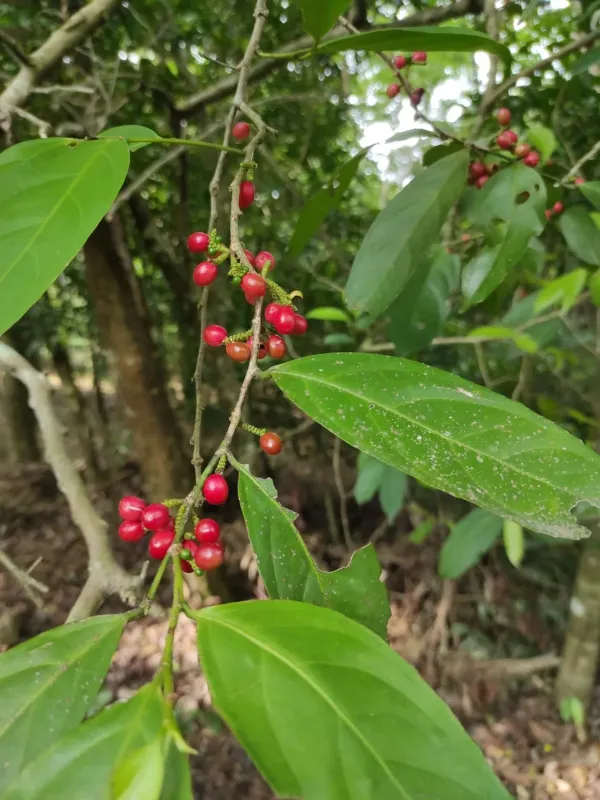
Botanically, this species is characterized by its evergreen shrub or small tree habit. The leaves are coriaceous, which allows them to withstand the high temperatures typical of its native range while minimizing excessive water loss.
Agricultural techniques for this species are not currently standard, as it is primarily managed within its natural wild habitat. Efforts to domesticate the species face challenges due to its strict microclimatic requirements.
Effective propagation is largely dependent on environmental conditions that mimic the tropical forest floor, particularly constant moisture levels and the presence of specific soil microorganisms beneficial to its growth.
Harvesting
The utility of Lacistema aggregatum is largely centered on traditional ethnobotanical practices. Indigenous communities have utilized various parts of the plant for medicinal purposes, drawing on its unique chemical composition.
The fruit of the plant plays an essential role in the local food web, serving as a food source for numerous bird species. This biological interaction is crucial for the dispersal of seeds and the overall health of the tropical ecosystem.
Harvesting practices are limited to traditional gathering methods. There is no large-scale commercial harvesting, as the species does not currently hold significant status as a global agricultural commodity.
Future research into the phytochemical properties of Lacistema aggregatum may reveal new opportunities for pharmacological use, which could theoretically justify the development of specialized cultivation protocols.
Sustainable conservation is vital to ensure the preservation of this species, as it represents an important component of tropical biodiversity. Over-harvesting for commercial interest should be prevented through scientific monitoring.