
Labisia pumila
Labisia pumila
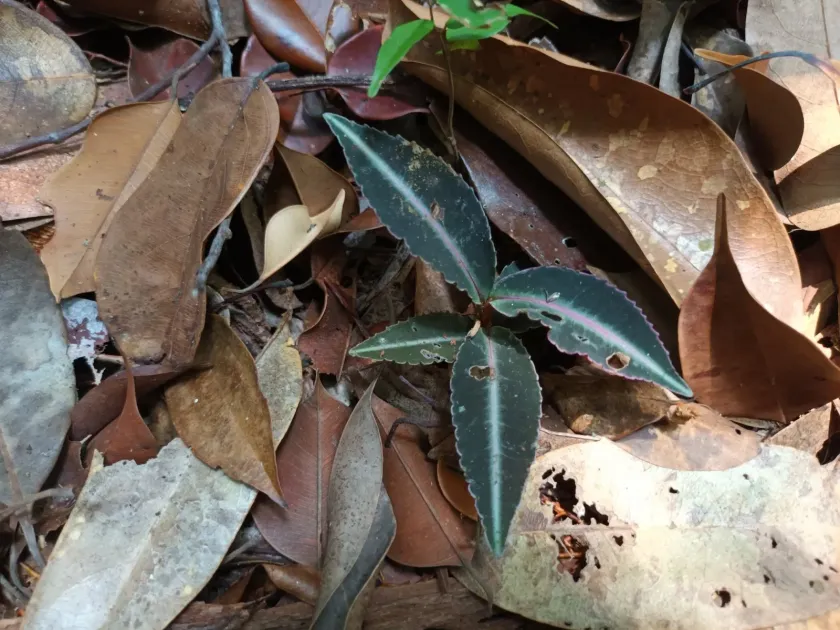
Description
Growing requirements
Labisia pumila, commonly known as Kacip Fatimah, is a herbaceous plant belonging to the Primulaceae family. It is native to the tropical rainforest floors of Malaysia and Indonesia, where it thrives in shaded, humid microclimates.
Cultivation requires specific environmental conditions, primarily high relative humidity and protected light levels. Direct exposure to sunlight is detrimental to the plant, causing leaf scorch and dehydration of the delicate foliage.
The ideal growing temperature range for Labisia pumila is between 22°C and 28°C. Maintaining these conditions is vital, as fluctuations can significantly hinder growth and increase the susceptibility of the plants to physiological stress.
The soil substrate must be porous and well-drained, rich in organic matter, with a pH level ranging from 5.5 to 6.5. Effective drainage is the most critical factor in soil management, as the plant is highly sensitive to root asphyxiation.
Labisia pumila is commercially cultivated for its significant medicinal value. Its leaves and roots contain bioactive compounds, including antioxidants and phytoestrogens, which are highly valued in the nutraceutical and pharmaceutical industries.
Main diseases and pests
The most common agricultural threats to Labisia pumila include root rot and stem rot, typically caused by Pythium and Phytophthora species. These pathogens thrive in waterlogged, poorly ventilated growing environments.
Insect pests, particularly spider mites and mealybugs, are frequent challenges. These organisms can infest the undersides of the leaves, drawing sap and causing severe chlorosis and growth stunting if left unchecked.
Prevention is the primary strategy for managing these threats. Maintaining optimal aeration in greenhouses and strictly adhering to controlled irrigation schedules are essential for minimizing the risk of fungal outbreaks.
Biological control agents are preferred over chemical pesticides to preserve the pharmaceutical quality of the herb. Regular monitoring of leaf health is necessary to ensure the early detection of any pest or disease incidence.
Maintaining a clean cultivation environment, including the removal of dead leaf litter, significantly reduces the inoculum potential of soil-borne pathogens and keeps the planting bed in healthy condition.
Harvesting
Harvesting Labisia pumila involves the selective collection of mature leaves. This process is typically timed to coincide with the period when the concentrations of the plant's secondary metabolites are at their biological peak.
Manual harvesting techniques are employed to ensure that the crown and the root system remain undamaged. This practice allows for regenerative growth, enabling multiple harvests from the same plant over several cycles.
After collection, the plant material must undergo immediate processing to prevent degradation. Sorting and cleaning to remove debris ensure that the raw material meets strict quality standards required for extraction.
Drying is the most critical post-harvest stage. It must be conducted at low temperatures, ideally below 40°C, to avoid the thermal decomposition of the heat-sensitive bioactive compounds present in the leaves.
The final dried product is packed in airtight, opaque containers to shield it from moisture and light. Proper storage conditions are essential to maintain the potency and efficacy of the medicinal herbs until they reach processing facilities.