
Kundmannia sicula
Kundmannia sicula
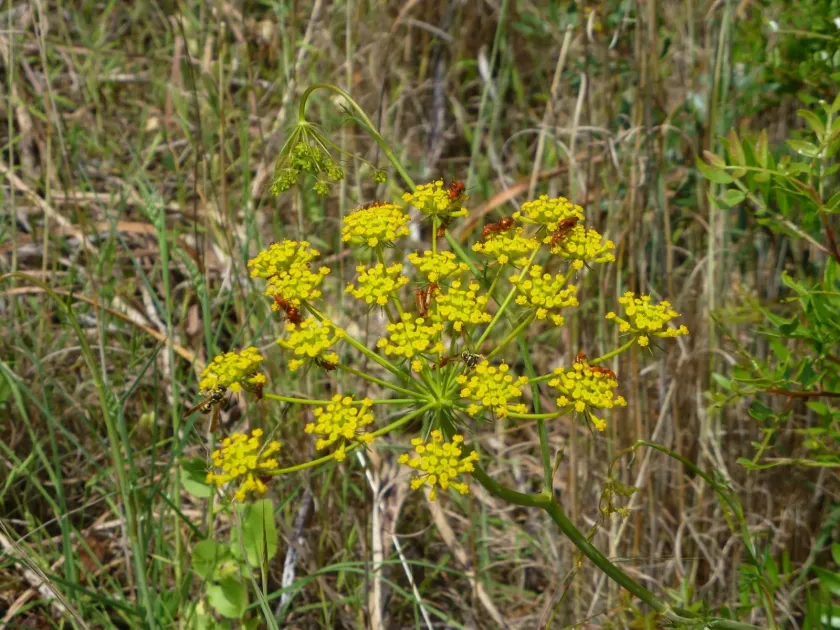
Description
Growing requirements
Kundmannia sicula is a perennial herbaceous plant belonging to the Apiaceae family. It is native to the Mediterranean basin, where it typically thrives in rocky terrains and open, sun-drenched habitats.
The plant is characterized by a strong taproot and upright, branched stems. Its foliage is finely divided, reflecting its adaptation to dry and windy conditions typical of its natural range.
For successful cultivation, this species requires well-drained, neutral to slightly alkaline soils. It exhibits significant drought tolerance, making it a potentially resilient crop for arid regions with limited irrigation resources.
Climatic requirements focus on high light intensity and warmth throughout the growing season. The species is sensitive to waterlogged conditions, which can lead to rapid decay of the root system if not managed with proper soil structure.
In terms of economic use, Kundmannia sicula is primarily studied for its secondary metabolites and its aesthetic value in xeriscaping, where it provides a structural and botanical interest.
Main diseases and pests
The primary threats to Kundmannia sicula cultivation involve fungal diseases triggered by excessive humidity. Root rot is a common issue when the drainage of the planting site is insufficient.
Insect pests such as aphids and larvae specific to Apiaceae species can cause significant damage to the floral parts and leaves. These pests are often attracted to stressed or densely planted crops.
To minimize risk, farmers should ensure adequate spacing between plants to improve air circulation and prevent the microclimate from becoming too humid.
Integrated pest management strategies, such as weed control and regular field monitoring, are essential for identifying threats early before they affect the entire stand.
Maintaining a clean cultivation environment, free from crop debris, reduces the likelihood of overwintering pathogens and helps ensure the longevity of the perennial planting.