
Kraussia floribunda
Kraussia floribunda
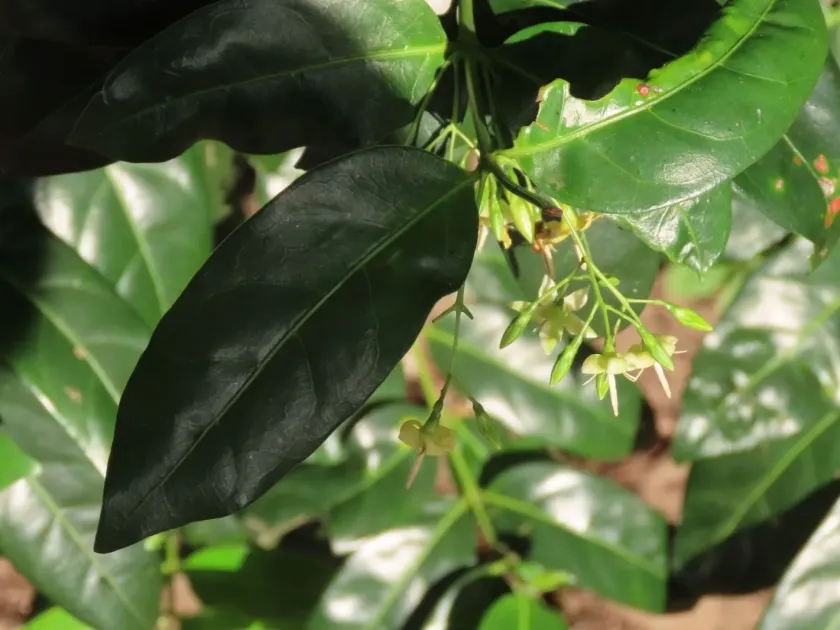
Description
Growing requirements
Kraussia floribunda is a dense, evergreen shrub belonging to the Rubiaceae family. Originating from the coastal forests of South Africa, it is widely recognized for its high ornamental value and ability to thrive in protected environments.
The plant grows best in nutrient-rich, well-draining soils that maintain consistent moisture levels without becoming waterlogged. It exhibits a slow to moderate growth rate, forming a compact and visually appealing crown when pruned properly.
In terms of climate requirements, this species prefers semi-shaded areas with protection from intense, direct midday sun. It is frost-sensitive and performs optimally when ambient temperatures are kept within a moderate, subtropical range.
Agrotechnical management involves regular mulching to keep the root zone cool and hydrated, especially during the peak of summer. Balanced fertilization during the active growing season is essential for encouraging the production of its characteristic white, fragrant flowers.
Economically, Kraussia floribunda serves as a significant asset for the nursery trade. It is used extensively in landscaping for privacy screening, container gardening, and botanical displays, particularly in Mediterranean-type climates.
Main diseases and pests
The primary pests affecting this species include mealybugs and spider mites, which congregate on the underside of the leaves. These insects can be controlled through periodic monitoring and the application of mild horticultural oils or soaps.
Root rot remains the most serious threat to the longevity of the plant. It is primarily caused by poor drainage and excessive irrigation, necessitating a strict adherence to watering schedules tailored to the plant's seasonal needs.
Fungal infections, such as leaf spot, may occur if air circulation is insufficient within the dense canopy. Providing enough space between plants and maintaining adequate airflow are critical preventative measures for a healthy garden.
Nutrient imbalances, particularly iron or magnesium deficiency, can lead to chlorosis. Maintaining the correct soil pH is vital, as this ensures that the plant can efficiently absorb micronutrients from the growing medium.
Integrated Pest Management (IPM) practices, including the removal of infested debris and the promotion of natural predators, are recommended. Minimizing chemical pesticide use helps maintain the delicate balance of the plant's micro-ecosystem.