
Kokoona zeylanica
Kokoona zeylanica
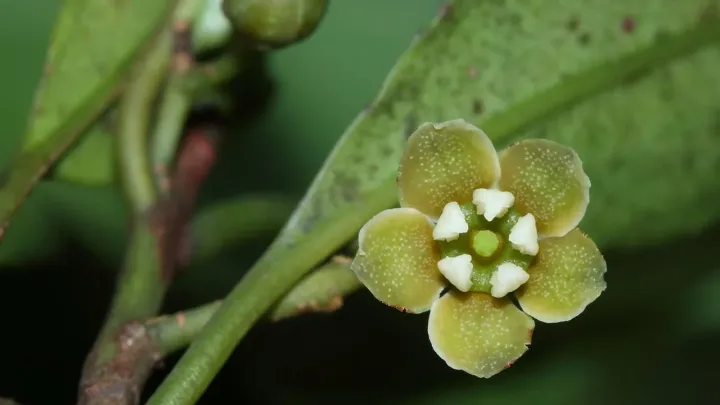
Description
Growing requirements
Kokoona zeylanica is a prominent tropical tree species belonging to the Celastraceae family. It is native to the lush, evergreen rainforests of Sri Lanka. In its natural ecosystem, the species thrives in humid environments characterized by consistent high temperatures and substantial annual rainfall.
Botanically, the tree is recognized for its dense, high-quality timber and smooth, durable bark. The leaves are typically leathery and simple, which allows them to efficiently regulate transpiration in the humid tropical climate. It possesses a deep taproot system, contributing to its structural integrity during the monsoon seasons.
The cultivation of Kokoona zeylanica requires specific soil conditions, specifically well-drained loamy or alluvial soils rich in organic matter. Water stagnation is detrimental to the development of this species, so proper site selection with adequate drainage is critical for its survival. While mature trees are tolerant of high sunlight, seedlings require partial shade to establish themselves.
The primary economic application of this tree is in the timber industry, where its wood is highly prized for its density, strength, and resistance to environmental degradation. It has been used for centuries by local artisans for high-quality furniture and structural beams. Additionally, certain parts of the tree have been documented in traditional medicinal practices.
Agronomically, this species is considered a slow-growing timber tree, which necessitates a long-term management strategy for sustainable harvesting. Propagation efforts in nursery settings focus on maintaining high humidity and protecting the delicate root systems of young saplings. Given the ecological importance and slow growth rate, there is a significant focus on forest conservation and controlled extraction.
Main diseases and pests
The tree faces risks from wood-boring insects, which can compromise the structural integrity of mature timber. Additionally, root rot remains a potential threat in plantations where soil drainage is not properly managed during periods of intense rainfall.