
Kokoona reflexa
Kokoona reflexa
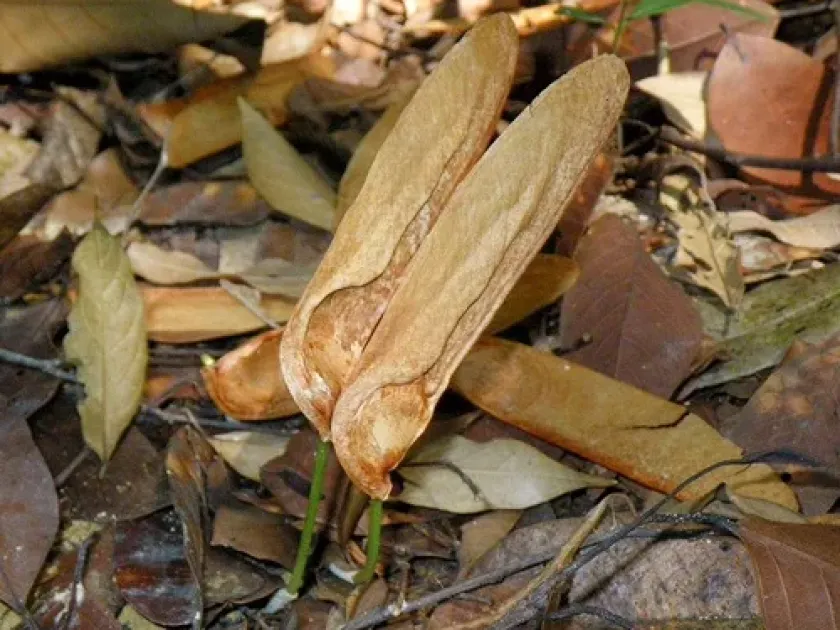
Description
Growing requirements
Kokoona reflexa is a notable evergreen tree species belonging to the Celastraceae family. It is recognized for its dense, dark green foliage and specific structural adaptations to the tropical forest understory.
Native to the humid tropical forests of Southeast Asia, including Malaysia, Sumatra, and Borneo, this species thrives in regions with consistently high annual rainfall and warm temperatures throughout the year.
The tree requires deep, well-drained soil rich in organic matter. It exhibits sensitivity to waterlogged conditions, which can lead to rapid root decay if soil aeration is compromised.
In terms of climate, Kokoona reflexa is strictly a tropical species, requiring temperatures between 22 and 30 degrees Celsius. Protection from high-intensity wind is also essential during the initial growth phases.
Economically, the species is harvested for its high-quality timber and the oils derived from its seeds. These products are traditionally valued by local communities for building materials and medicinal applications.
Main diseases and pests
The primary threat to Kokoona reflexa is the rapid deforestation occurring within its native range. Habitat fragmentation limits the natural propagation and survival of the species in the wild.
Pathological issues typically include fungal infections triggered by excessive moisture. These pathogens can affect the vascular system of the tree, potentially hindering nutrient transport.
Insect pests such as wood-boring beetles present a significant challenge. These organisms can compromise the integrity of the timber, making early detection and intervention critical for maintenance.
Integrated pest management strategies are recommended to mitigate damage. This involves monitoring the health of the canopy and ensuring the trees have sufficient space to reduce disease spread.
Preservation efforts are focused on protecting remaining populations within established nature reserves. Sustainable harvest practices are encouraged to ensure the long-term viability of this valuable biological resource.