
Crested hair grass
Koeleria glauca (Spreng.) DC.
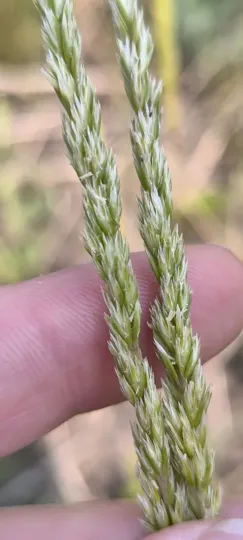
Description
Sowing dates
Sowing of Koeleria glauca is typically performed in early spring when soil temperatures begin to rise, ensuring optimal conditions for seed germination.
The site for sowing must be prepared by clearing all competing weeds, as the seedlings of this grass species develop slowly and require space to establish.
Seeds are broadcasted over the surface and covered with a very thin layer of fine soil or sand to ensure they remain exposed to sufficient light while having contact with moisture.
Maintaining consistent soil moisture during the first few weeks after sowing is essential for achieving a high success rate in seedling emergence.
Once the grasses reach a height of 5–10 centimeters, they demonstrate strong resilience and require minimal intervention, allowing them to establish their deep root systems.
Growing requirements
Crested hair grass is a member of the Poaceae family, native to dry sandy grasslands and dunes across Europe, which dictates its preference for well-drained habitats.
The plant is highly valued for its striking glaucous-blue foliage, which remains attractive throughout the growing season due to its adaptation to low-nutrient soils.
This grass species requires full sun exposure to maintain its characteristic color and compact growth habit, failing which it may become leggy and less vibrant.
It thrives in sandy or rocky soils and is extremely drought-tolerant, making it an excellent candidate for xeriscaping and low-maintenance landscape designs.
The plant is fully hardy in temperate zones, capable of enduring cold winters without the need for winter protection or specialized climate control.
Main diseases and pests
The primary threat to the health of Koeleria glauca is excess soil moisture, which inevitably leads to crown rot and fungal infections of the root system.
Poor ventilation caused by overcrowding or planting in areas with high humidity can occasionally invite powdery mildew, though this is rarely a major concern.
Insect pests are typically not a significant issue for this species, though generalist pests like aphids or grass-eating larvae might sporadically infest the foliage.
Maintenance is key: removing dead foliage in late winter or early spring helps maintain plant vigor and prevents the accumulation of pathogens within the clump.
Strategic planting, ensuring adequate distance between specimens and avoiding clay-heavy soils, provides the best natural defense against potential pests and diseases.