
Kitaibelia vitifolia
Kitaibelia vitifolia
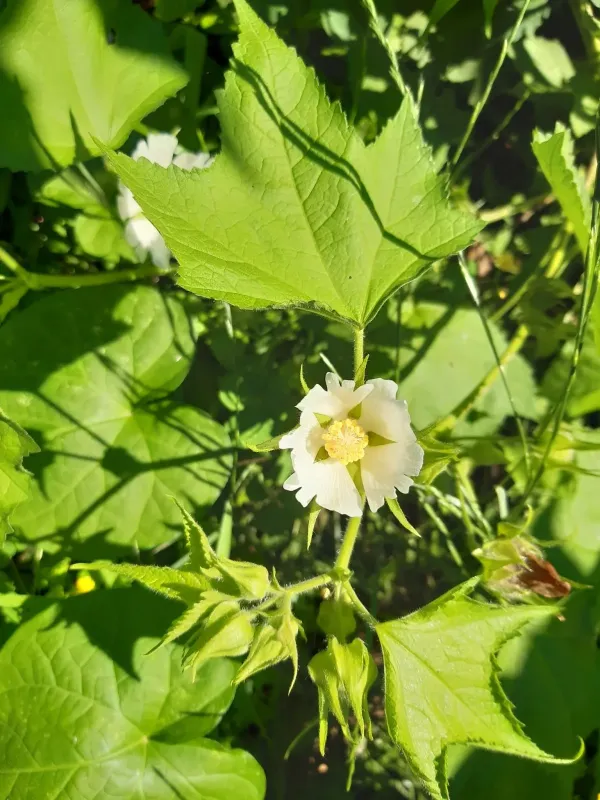
Description
Sowing dates
Seeds of Kitaibelia vitifolia are typically sown in early spring, once the soil has warmed up sufficiently, ensuring optimal conditions for germination and early growth.
Sowing in containers indoors during late winter can provide a head start, allowing the seedlings to establish a strong root system before being transplanted into the garden.
The seeds should be sown at a shallow depth of about 1 centimeter, using a well-draining soil mix that remains consistently moist throughout the sprouting phase.
Proper spacing is crucial, as the plant grows into a large, shrub-like perennial; a distance of 70–90 centimeters between plants is recommended to allow for full development.
Natural stratification by sowing seeds in late autumn is also effective, as it helps break dormancy and encourages vigorous growth when temperatures rise in spring.
Growing requirements
Kitaibelia vitifolia is a robust perennial belonging to the Malvaceae family, native to the Balkan Peninsula, widely recognized for its grape-like foliage and white flowers.
The plant thrives in fertile, deep, and loamy soils that possess good drainage properties, as the root system is sensitive to waterlogging during wet seasons.
A sunny location is essential for the plant to reach its full height and maintain its vigorous health, although it can tolerate partial shade in hotter climates.
Maintenance involves providing adequate water during dry spells to ensure continuous growth, especially in regions with infrequent rainfall during the peak summer months.
- Regular organic mulching to conserve moisture.
- Periodic pruning of faded flowers to encourage longevity.
- Application of balanced fertilizer in early spring.
- Winter protection in colder climates to prevent frost damage.
Main diseases and pests
The plant is relatively hardy but can be susceptible to powdery mildew, particularly when air circulation is poor or humidity levels remain high for extended periods.
Aphids are the most common pests observed on Kitaibelia, often gathering on the undersides of leaves or near the flower buds during the summer growing season.
Root rot can occur if the planting site is poorly drained or if the plant receives excessive, stagnant irrigation, leading to rapid yellowing of the foliage.
Effective management strategies include keeping the area clean, removing infected plant debris, and using appropriate horticultural soaps for pest control.
Monitoring the plant for early signs of stress is vital, as early intervention prevents the spread of diseases to neighboring ornamental species in the garden.