
Horseradish
Armoracia rusticana P. Gaertn. et al.
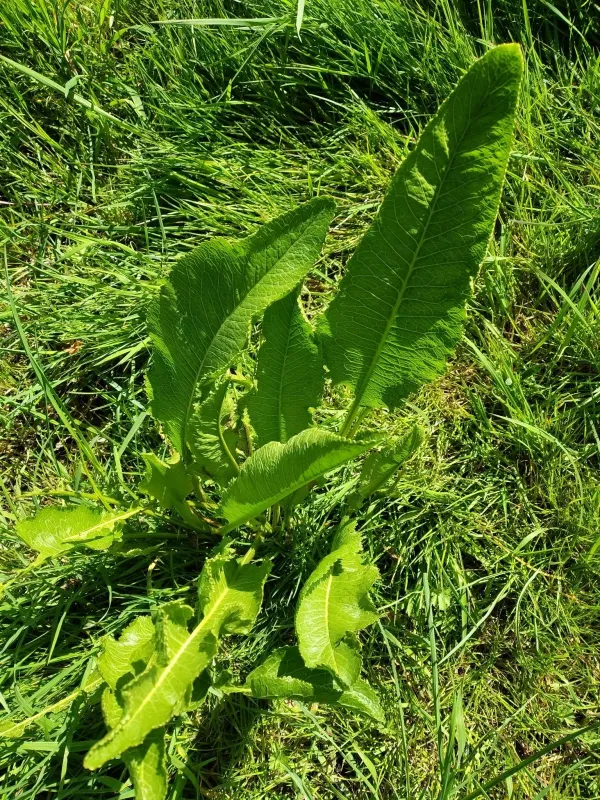
Description
Sowing dates
Horseradish Armoracia rusticana is a hardy perennial vegetable belonging to the Brassicaceae family. It is primarily cultivated for its large, pungent, white taproot, which is widely used as a spice and condiment across the globe.
Propagation is almost exclusively vegetative, utilizing root cuttings known as "sets." These sets are typically 15–20 cm long and are harvested during the autumn from the previous season's crop. They should be planted with the thicker end facing upwards to encourage strong growth.
Planting usually occurs in early spring as soon as the soil is workable, or in the late autumn before the soil freezes. The optimal spacing is 30–40 cm between plants and up to 70 cm between rows, allowing enough space for root development and equipment access.
Horseradish is known for its remarkable adaptability and winter hardiness. It can withstand harsh winters without special protection, making it an excellent crop for temperate climates with long growing seasons.
Because the plant grows aggressively and spreads easily through root fragments, it is essential to manage it within a defined area. In professional settings, it is often treated as a crop that requires clear separation from other garden beds to prevent unwanted spread.
Growing requirements
Horseradish thrives in deep, fertile, and well-drained loam soils. Soil structure is critical; heavy clay soils often result in woody, malformed, or overly bitter roots that are difficult to harvest and have lower commercial value.
The ideal soil pH for horseradish cultivation ranges between 6.0 and 7.0. While it can tolerate slightly acidic conditions, incorporating lime into the soil before planting can improve root quality and reduce the risk of certain soil-borne diseases.
Consistent moisture is required for high-quality production, especially during the peak of summer growth. Drought stress during this period can lead to fibrous roots and a decrease in the concentration of allyl isothiocyanate, the compound responsible for its signature heat.
Full sun is preferred for maximum biomass production, although the plant can tolerate light partial shade. Adequate airflow around the foliage is important to minimize the risk of fungal infections and maintain plant vigor throughout the season.
Soil preparation should include deep plowing to at least 30 cm, as the taproot grows vertically. Incorporating organic matter, such as well-rotted manure or high-quality compost, significantly boosts yields by improving soil structure and nutrient availability.
Yield
Yields can vary significantly based on soil fertility and management practices. On well-managed commercial farms, yields of 15 to 30 metric tons per hectare are typical for high-quality root production.
Technical maturity of the roots is generally reached in the second year of cultivation. A single marketable root can range in weight from 200 to 500 grams, with premium roots reaching even greater sizes in optimal conditions.
To ensure a high proportion of marketable roots, many growers practice "root rubbing" in mid-summer. By exposing the top part of the roots and removing lateral shoots, the plant is encouraged to channel energy into the main taproot, improving its thickness and shape.
Storage is a critical component of the value chain. Horseradish must be stored at temperatures between 0 and 2 degrees Celsius with high humidity to prevent moisture loss, which would otherwise lead to shriveling and loss of pungency.
The culinary and pharmaceutical demand for horseradish ensures consistent market interest. Aside from the roots, the leaves are also harvested for use in pickling, adding additional value to the overall crop harvest.
Main diseases and pests
White blister rust Albugo candida is a primary concern for horseradish growers. It manifests as white pustules on the undersides of leaves, which can lead to premature leaf drop and a significant reduction in overall yield if left unmanaged.
Bacterial soft rot represents a major threat, particularly in soils with poor drainage or during periods of excessive rainfall. This disease causes the root to decay from the inside, making the entire plant unsalvageable.
Flea beetles are the most damaging insect pests during the early growth stages. They feed on leaves, creating numerous small holes and potentially stunting the growth of young plants if not controlled with timely applications of protective products.
The horseradish leaf beetle can also cause significant damage by skeletonizing the foliage. Regular monitoring and integrated pest management strategies are crucial to maintain foliage health, which is essential for successful photosynthesis and root development.
Aphids can occasionally infest the plants, not only by feeding on the sap but also by potentially transmitting viral diseases. Maintaining plant health through proper nutrition and hygiene is the best defense against these secondary pests.
Harvesting
Harvesting usually takes place in late autumn when the leaves begin to yellow and die back. At this stage, the plant has translocated its nutrients into the root, maximizing flavor, pungency, and storage potential.
Mechanical harvesting using specialized digging tools is preferred to minimize root damage. Any injuries to the root surface during digging increase the risk of decay during the subsequent storage period in coolers.
Once harvested, the roots should be cleaned, trimmed of lateral side-roots, and the foliage removed. It is advisable to let the roots dry slightly in a shaded area before placing them into cold storage to prevent the spread of surface moisture.
Storage in damp sand or peat in a cold cellar is a traditional and effective method to keep horseradish fresh throughout the winter months. This maintains the turgor of the root and prevents the loss of volatile oils.
Some growers may choose to leave a portion of the crop in the ground over winter, provided the soil is well-drained and the frost depth is not excessive. This allows for early spring harvesting for niche markets that value fresh, seasonal produce.