
New Zealand laurel
Corynocarpus laevigatus J.R. et G. Forst.
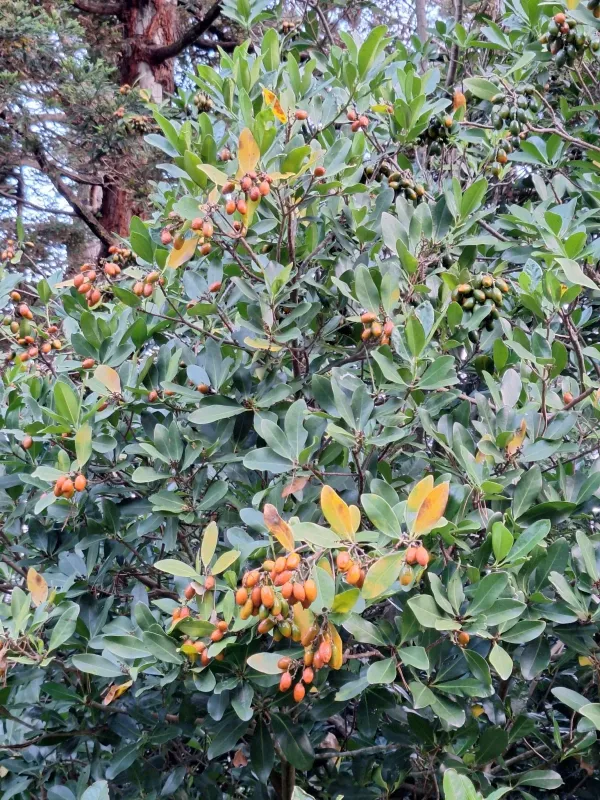
Description
Sowing dates
Propagation of Corynocarpus laevigatus is typically achieved through seeds, which should be sown immediately after ripening. Fresh seeds exhibit the highest germination rates.
For better results, the hard outer coat of the seed should be scarified before planting. The medium for sowing must be light, moist, and well-aerated to prevent seed decay before sprouting.
Seedlings are usually grown in protected nursery conditions or containers for the first few seasons to ensure they develop a robust root system before being outplanted.
Transplanting requires extreme care as the taproot is sensitive to mechanical damage. It is recommended to perform transfers during the dormant season to minimize stress.
Cuttings are an alternative propagation method, although success depends heavily on maintaining consistent humidity levels and providing bottom heat to stimulate root development.
Growing requirements
Known as the New Zealand laurel, this species belongs to the family Corynocarpaceae. It is a robust evergreen tree characterized by its glossy, dark green leaves and dense canopy.
The tree thrives in coastal environments and prefers full sun to light shade. It is not fully frost-hardy and requires protection in regions where temperatures drop significantly below freezing.
Ideal soil conditions include well-drained, fertile loams with a neutral pH. The plant is adaptable but will not survive in waterlogged soils, making drainage a top priority.
Consistent moisture is needed during the establishment phase. While mature trees develop some drought tolerance, regular watering during hot summer months promotes healthier growth.
Pruning is essential for maintaining the desired shape and removing dead wood. The tree responds well to regular shaping, which makes it a popular choice for hedges and windbreaks.
Main diseases and pests
Root rot is the most common threat when the plant is grown in heavy, poorly drained soils. Avoiding water stagnation is the most critical cultural practice to prevent fungal issues.
Scale insects and mealybugs are the most frequent pests. These insects can cause leaf yellowing and produce honeydew, which leads to the growth of sooty mold on the foliage.
Powdery mildew may occur in damp, stagnant environments. Promoting better air circulation around the canopy is an effective cultural control measure against this pathogen.
It is important to note that the seeds and foliage are toxic. Management should involve clear labeling and ensuring the tree is planted in areas where livestock or children do not consume plant material.
Pest management should prioritize the use of horticultural oils or systemic insecticides if infestations become severe, ensuring application is done away from pollinator activity.