
Jungermannia leiantha
Jungermannia leiantha
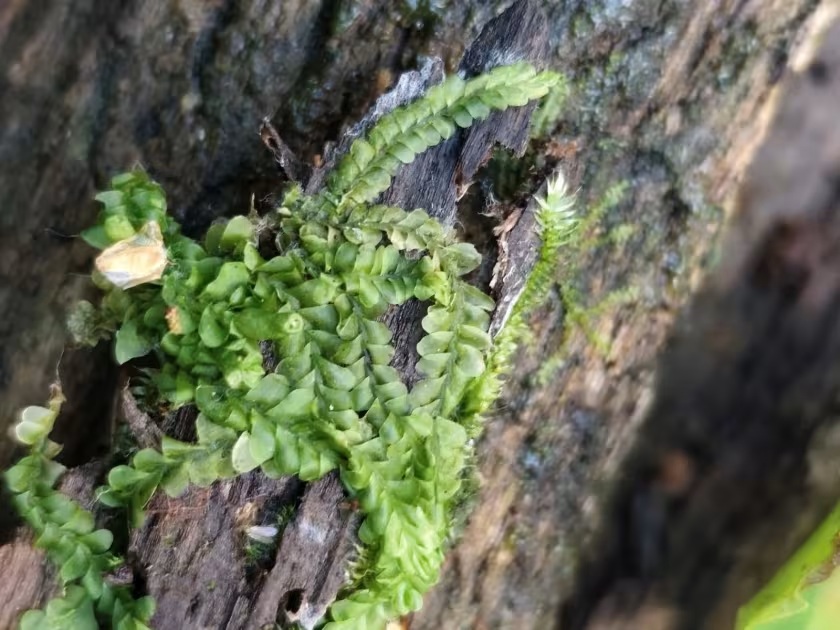
Description
Growing requirements
Jungermannia leiantha is a species of liverwort belonging to the family Jungermanniaceae. While not a cultivated crop, it is a significant element of boreal and temperate forest ecosystems, acting as a key botanical component.
The plant exhibits a preference for humid, shaded habitats. Its physiological structure is adapted to absorb moisture from the surrounding environment, making it a reliable indicator of stable hygric conditions in wooded areas.
It typically thrives on decaying wood, moist soil, or shaded rock faces. The presence of organic matter and a consistent supply of moisture are essential for its growth, development, and vegetative reproduction.
Environmental requirements include a temperate climate with high relative humidity and protection from direct solar radiation. The species is highly sensitive to desiccation, which governs its restricted distribution.
The botanical features include a creeping thallus or leafy stem structure, typical of leafy liverworts, which allows it to form dense mats. These mats contribute to moisture retention and soil surface protection within the forest microhabitat.
Main diseases and pests
The primary threats to Jungermannia leiantha include habitat destruction resulting from industrial logging and forest thinning, which alter the necessary shaded microclimatic conditions.
Air pollution, specifically atmospheric nitrogen and sulfur deposition, is detrimental to the survival of liverworts as they lack a protective cuticle found in higher plants.
Fragmentation of forest patches reduces the connectivity of the landscape, making it difficult for the species to colonize new suitable environments after disturbances.
Climate change poses a risk through the modification of rainfall patterns, leading to periods of drought that exceed the physiological tolerance limits of this moisture-dependent bryophyte.
There are no significant commercial pests targeting this species, as its role is ecological; however, fungal pathogens may occasionally impact populations during periods of physiological stress or ecosystem imbalance.