
Jordaaniella cuprea
Jordaaniella cuprea
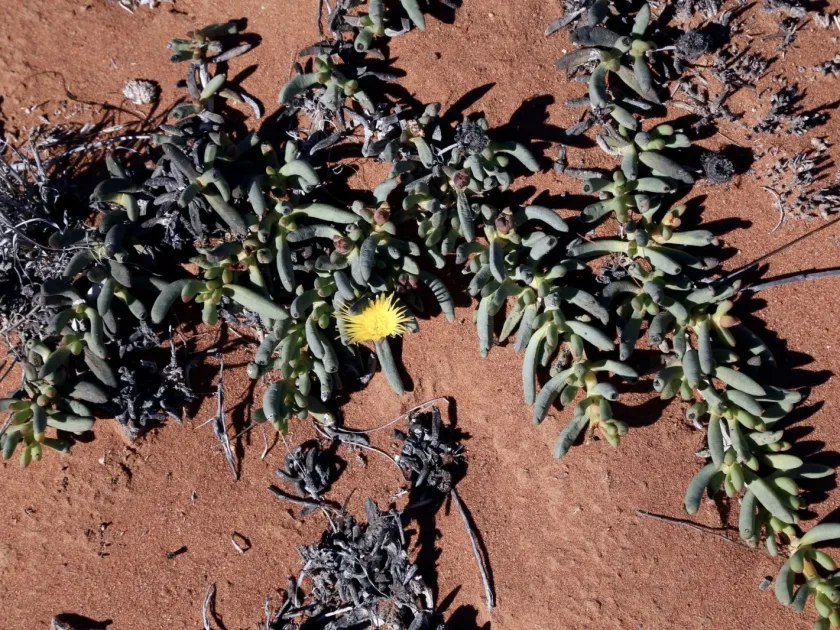
Description
Growing requirements
Jordaaniella cuprea is a succulent perennial species belonging to the Aizoaceae family. It is characterized by its trailing growth habit and fleshy, water-storing leaves, which are typical adaptations for plants native to arid environments, particularly those found in Southern Africa.
This species is widely recognized as an excellent groundcover in xeriscaping and rock gardens. Its ability to spread across sandy or rocky substrates makes it a versatile choice for landscape architects looking for low-maintenance vegetation that can withstand high solar radiation.
Cultivation requirements focus primarily on the quality of the substrate. The plant thrives in well-draining, coarse-textured soils. Preventing waterlogging is the most critical aspect of care, as the root system is highly susceptible to anaerobic conditions and subsequent rot.
Light intensity plays a crucial role in the development of Jordaaniella cuprea. As a heliophyte, it requires full sun exposure for the majority of the day to maintain its compact shape and vibrant leaf pigmentation. Partial shade usually results in etiolation and decreased vigor.
In terms of climate, the plant prefers warm conditions but is hardy enough to withstand the moderate temperature drops common in subtropical climate zones. When grown in temperate regions, it must be protected from freezing temperatures and excessive winter precipitation.
Main diseases and pests
The primary threat to Jordaaniella cuprea is fungal infection caused by improper watering practices or high ambient humidity. Root rot is the most common pathology, often progressing rapidly through the succulent tissues if drainage is compromised.
Pests such as mealybugs and spider mites represent significant risks to the health of the plant. Mealybugs often hide in the tight crevices of the foliage, making them difficult to detect until a significant infestation has developed, while spider mites target the leaves in dry conditions.
Aphids can also occasionally infest younger, more succulent stems, leading to stunted growth and foliage deformation. Regular physical inspection and the application of appropriate horticultural oils or systemic insecticides are recommended strategies for control.
To mitigate the risk of disease, growers should ensure proper air circulation around the plants. Stagnant air environments are ideal for the proliferation of molds and bacteria, which can quickly degrade the integrity of the succulent leaves and stems.
If disease symptoms appear, it is essential to reduce irrigation immediately and isolate the affected specimens. Removing damaged tissue and allowing the plant to dry out thoroughly are the first steps in recovering the health of a compromised Jordaaniella cuprea.