
Job's tears
Coix lacryma-jobi L.
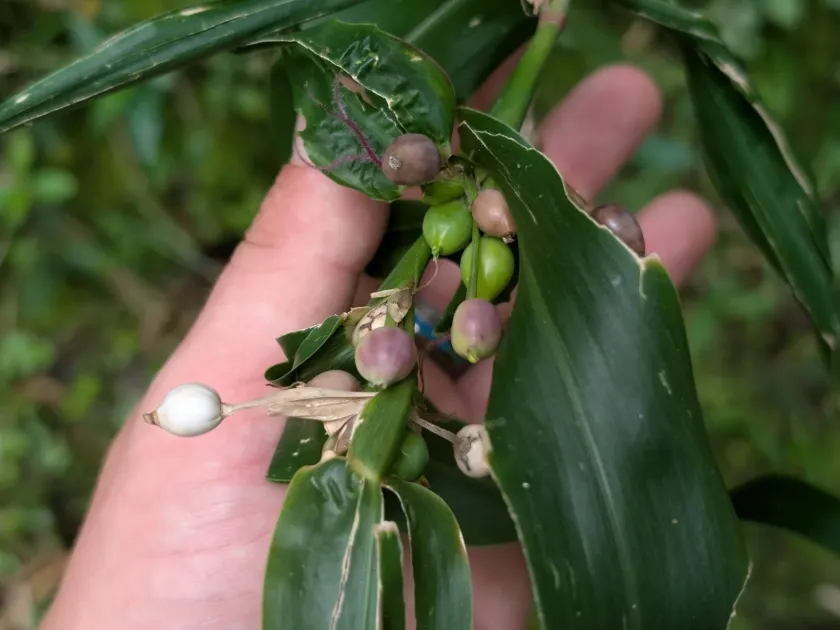
Description
Sowing dates
Job's tears (Coix lacryma-jobi L.) is a tall grain-bearing perennial tropical plant of the grass family (Poaceae), often grown as an annual crop in agricultural settings across various climates.
Sowing should take place once the soil temperature consistently reaches 12–15°C, ensuring that the risk of late spring frosts has completely passed for the region.
Seeds are typically sown at a depth of 3–5 cm, with row spacing maintained between 45 and 60 cm to allow the plants adequate space for their robust root systems to develop.
Because the crop exhibits slow initial growth, early-stage weed management is paramount to prevent competitive stress and ensure the plants establish themselves effectively.
The seeding rate varies depending on the purpose of the crop, generally ranging from 20 to 35 kg per hectare to achieve an optimal plant population density.
Growing requirements
As a tropical origin plant, Job's tears requires a long growing season with high temperatures to ensure that the grains reach full physiological maturity.
Water availability is critical for this species; it thrives in moist soil conditions and is often cultivated in low-lying areas or floodplains where irrigation can be managed efficiently.
The best soils for cultivation are fertile loams with a neutral or slightly acidic pH, which provide the necessary structural integrity and nutrients for vigorous biomass accumulation.
The plant is sensitive to cold snaps and saline soils, which can lead to reduced grain filling and poor developmental outcomes during the vegetative phase.
In temperate zones, selecting a site with maximum sun exposure and protection from harsh, drying winds is essential for successful cultivation and consistent yields.
Yield
Under optimal conditions and management, Job's tears can produce yields ranging from 2 to 4 tons of grain per hectare, making it a viable specialty crop for commercial farms.
Intensive farming practices, including targeted nitrogen and phosphorus application during the vegetative growth phase, significantly boost the overall grain production per plant.
Proper plant spacing is vital; too dense a population can increase humidity around the foliage, promoting disease and potentially causing the stems to lodge under their own weight.
The grain is used widely in food production and as a medicinal herb, which drives the demand for high-quality, cleanly harvested product in the global marketplace.
Monitoring the crop for signs of stress throughout the season allows producers to adjust irrigation or nutrient levels, ultimately ensuring a more stable and high-quality harvest.
Main diseases and pests
Job's tears is susceptible to several fungal diseases, including various rusts and smuts, which can severely impact grain quality if moisture levels remain high during the ripening stage.
Insect pests, such as aphids and cereal flies, can damage young shoots and developing panicles, which disrupts the natural growth cycle and reduces the final yield potential.
Implementing a strict crop rotation schedule is the most effective way to prevent the buildup of soil-borne pathogens and insect populations specific to the Poaceae family.
Mechanical cultivation or the use of approved herbicides for weed control must be carried out early in the season to maintain field hygiene before the canopy closes.
Pest management should follow integrated protocols, utilizing biological or chemical treatments only when threshold levels indicate a significant threat to the crop's economic viability.
Harvesting
Harvesting is typically performed when the grains reach full maturity, evidenced by a hard texture and a characteristic color change in the involucres.
Because ripening can be uneven across the field, some farmers use a two-step process: cutting the plants and letting them dry in windrows before threshing to minimize losses.
When using combine harvesters, machine settings must be carefully calibrated to reduce mechanical damage to the grains while ensuring effective separation from stalks.
Once harvested, the grain must be cleaned of debris and dried to a moisture content of 12–14% to prevent molding and ensure long-term stability during storage.
Storage facilities must be dry, cool, and well-ventilated, with adequate protection against rodents and insect infestations to maintain the nutritional quality of the seeds.