
Kerria japonica
Kerria japonica (L.) DC.
Description
Growing requirements
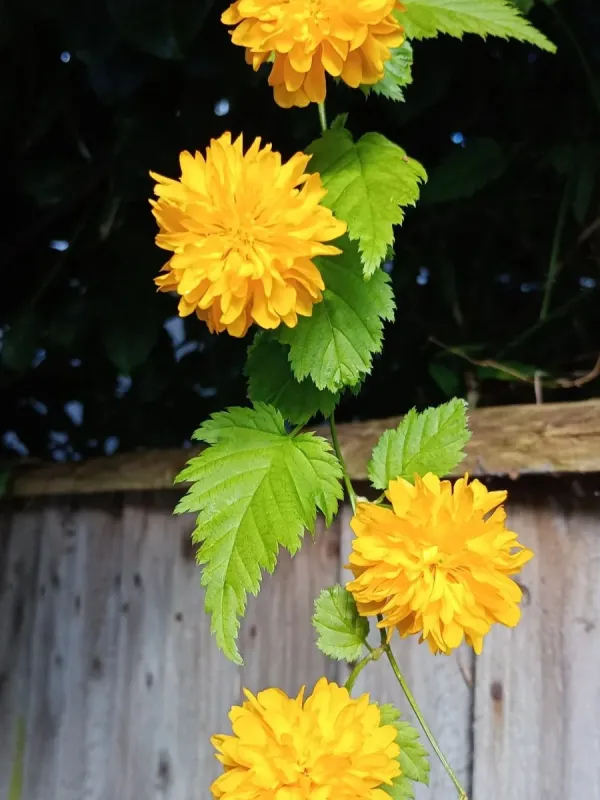
Kerria japonica is a deciduous flowering shrub belonging to the family Rosaceae. Known for its brilliant yellow, rose-like flowers, it serves as a staple in ornamental gardening for spring displays.
Originating from the mountain regions of China and Japan, this plant has adapted to temperate forest fringes, preferring locations that mimic its native habitat's moisture and partial shade.
The plant thrives in well-drained, fertile soil with a slightly acidic to neutral pH. It is crucial to maintain consistent soil moisture, especially during the active growth season to prevent stress.
Regarding light, while it can tolerate full sun, partial shade is ideal to prevent the yellow flowers from fading prematurely and to keep the foliage vibrant throughout the hot summer.
Proper pruning is essential for maintaining the vigor of the shrub. Gardeners should remove spent flowers and thin out old or crossing branches after flowering to encourage fresh growth for the next season.
Main diseases and pests
Kerria japonica is generally robust, but it can be susceptible to environmental stresses that weaken its natural defenses against pests and diseases.
The most significant threat to its health is root rot, which occurs primarily in waterlogged, poorly drained soils. Ensuring proper soil aeration is the best preventive measure against this issue.
Common pests include aphids and spider mites. These insects tend to thrive in dry conditions, so monitoring the underside of the leaves is a vital part of the regular maintenance routine.
Fungal issues, such as leaf spot, may appear if the plant is grown in dense, overcrowded conditions where air circulation is restricted. Providing adequate space between shrubs is necessary.
To manage infections, gardeners should employ integrated pest management strategies, using selective pruning to remove affected parts and applying appropriate horticultural oils or fungicides when necessary.