
Jessenia repanda
Jessenia repanda
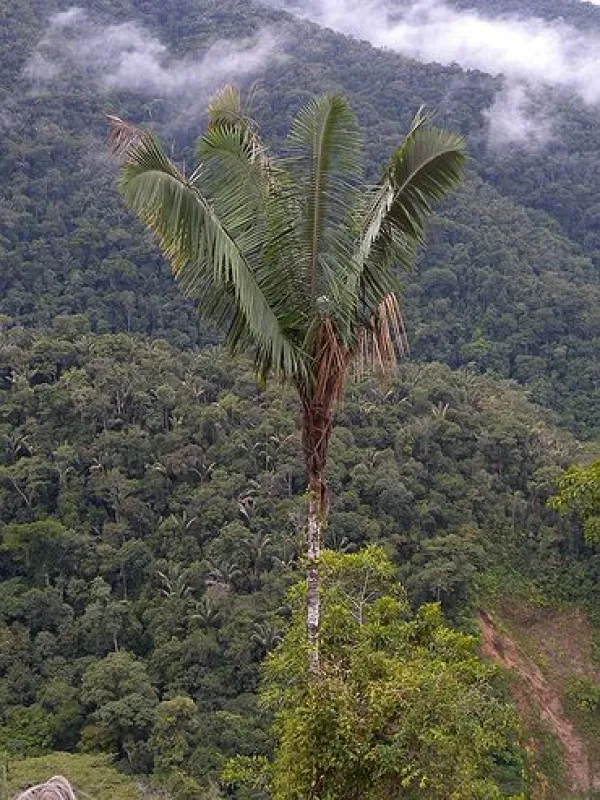
Description
Growing requirements
Jessenia repanda is a plant species belonging to the Arecaceae (palm) family. This tropical crop is native to the humid rainforest regions of South America, where it thrives in shaded, warm, and highly humid environments.
The crop requires a stable climate with consistent temperatures throughout the year. It does not tolerate frost or cold winds, making its cultivation restricted to specific tropical geographical zones that mimic its natural habitat.
Soil requirements for Jessenia repanda include deep, well-drained, and nutrient-rich soils. Organic content is crucial for its growth; therefore, cultivation often involves adding mulch or compost to maintain the necessary soil structure and fertility.
Botanically, this palm displays large pinnate leaves and a sturdy trunk adapted to sustain the plant in competitive tropical vegetation. The root system is sensitive to waterlogging, necessitating excellent drainage in agricultural plots to prevent root rot.
Economically, the species is valued for its oily fruits, which are traditionally used for nutritional and cosmetic purposes. Its potential for industrial processing makes it a subject of interest for local agriculture in its native range.
Main diseases and pests
The primary threats include fungal infections, specifically leaf spots and root pathogens that proliferate in high humidity. Proper spacing and airflow management are essential strategies to reduce the incidence of these diseases.
Common insect pests, including spider mites and various scale insects, can infest the foliage, leading to reduced productivity. Integrated pest management (IPM) practices, such as biological control agents, are often employed to maintain plant health.