
Jessenia polycarpa
Jessenia polycarpa
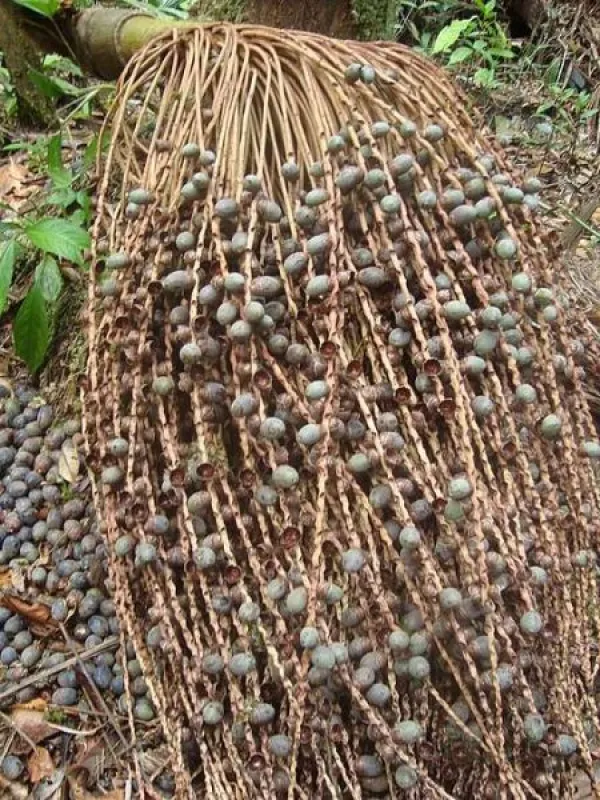
Description
Growing requirements
Jessenia polycarpa is a notable species within the Arecaceae (palm) family, native to the humid tropical forests of South America. It is recognized for its significant potential as an oil-bearing crop in tropical agroforestry systems.
The species requires a climate characterized by consistently high temperatures and significant annual precipitation. It does not tolerate frost or prolonged drought, making it suitable only for specific tropical and near-equatorial climatic zones.
Regarding soil requirements, Jessenia polycarpa prefers deep, well-drained, and nutrient-rich alluvial soils. Proper soil aeration is crucial to prevent root asphyxiation, which can occur in permanently waterlogged ground despite the species' tropical origins.
Botanically, the plant features a solitary stem and a dense canopy of large pinnate leaves. The palm produces large inflorescences that develop into fruit clusters, which are highly valued for their high oil content and nutritional profile.
The cultivation of this palm contributes to biodiversity and sustainable land use in tropical regions. It is often managed in semi-wild conditions or integrated into agroforestry setups alongside other crops, providing essential fatty acids for local food security.
Main diseases and pests
The most significant pests affecting Jessenia polycarpa include various palm-specific weevils, which can bore into the trunk and damage the growing point. Early detection is critical to prevent structural collapse and loss of the productive specimen.
Fungal diseases are a major concern, particularly those caused by excessive atmospheric humidity. Conditions such as leaf blight and root rot can devastate plantations if adequate air circulation and drainage are not maintained.
Soil-borne pathogens represent another persistent challenge in palm cultivation. Maintaining high soil organic matter and beneficial microbial activity helps the plant develop resilience against common infections of the root system.
Integrated Pest Management (IPM) strategies are recommended for this crop. This involves monitoring pest populations, using pheromone traps, and ensuring that cultural practices, such as proper spacing, minimize the risk of disease spread.
Environmental stress, such as intense solar radiation combined with a lack of soil moisture, can exacerbate susceptibility to secondary pests. Providing a balanced shade regime during the seedling and sapling stages is essential for long-term plant health.