
Jeffersonia diphylla
Jeffersonia diphylla
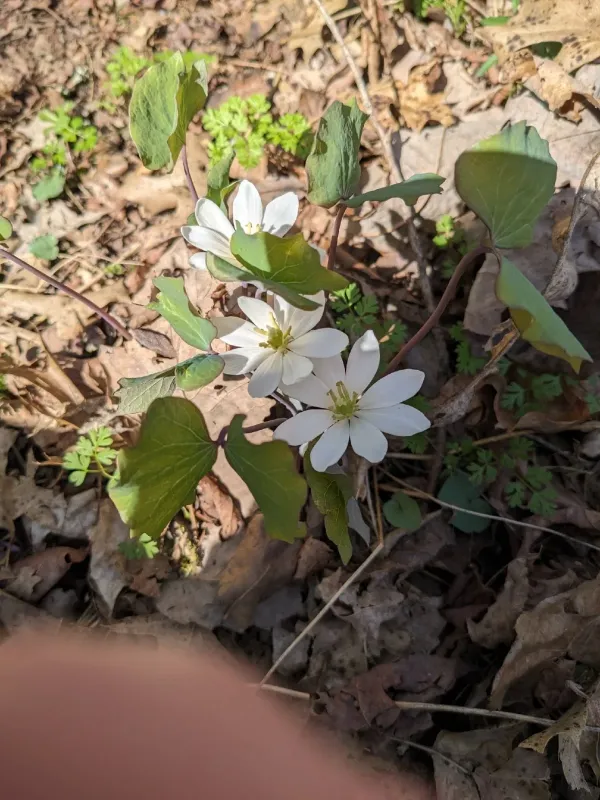
Description
Sowing dates
Jeffersonia diphylla, commonly known as twinleaf, is propagated primarily through seeds or by dividing the rhizomes. Freshly harvested seeds should be sown directly outdoors in the autumn to ensure they undergo the necessary period of cold stratification.
Vegetative propagation by division is best performed in late summer when the plant enters dormancy. This timing allows the divisions to establish their root systems before the ground freezes.
Seeds of this species lose viability quickly if allowed to dry out, making immediate sowing essential. When grown from seed, the plant typically reaches flowering maturity within three to four years.
When planting divisions, ensure the growth buds are buried about 2 to 3 centimeters below the soil surface. This protects the crown from frost heaving during the winter months.
Preparing the planting area with a mix of leaf mold and compost creates an optimal growing environment that mimics the plant's natural woodland habitat.
Growing requirements
Jeffersonia diphylla is a member of the Berberidaceae family. It is a slow-growing herbaceous perennial native to the rich, moist woodlands of eastern North America.
The plant thrives in deep shade or partial shade, requiring soil that is consistently moist but well-drained. It prefers slightly acidic to neutral soil that is rich in organic matter.
Due to its woodland origin, twinleaf does not tolerate direct midday sun or dry conditions. Providing a location protected from wind and harsh light is critical for maintaining lush foliage.
This species is highly cold-hardy, surviving typical winter temperatures. However, applying a layer of organic mulch in late autumn helps insulate the roots against extreme temperature fluctuations.
Maintenance involves routine watering during dry spells to prevent premature wilting. Proper air circulation around the plants is also necessary to prevent the buildup of excess humidity.
Main diseases and pests
Jeffersonia diphylla is generally resistant to most pests and diseases. The most significant threat in garden settings is root rot, which typically occurs in poorly drained, waterlogged soils.
Slugs and snails can occasionally cause damage to the foliage, particularly in cool and damp springs. These pests feed on the tender young leaves, creating unsightly holes in the plant.
To manage slug populations, gardeners can use physical barriers or organic bait traps. Keeping the surrounding area free of debris reduces potential hiding spots for these garden pests.
Early detection of any rot is vital; if detected, affected parts of the rhizome should be carefully removed, and the surrounding soil should be improved with additional grit or sand for drainage.
Maintaining a clean growing environment and avoiding overcrowding helps to ensure that the plants remain vigorous and less susceptible to opportunistic infections.