
Japanese cedar
Cryptomeria japonica (L. f.) D. Don
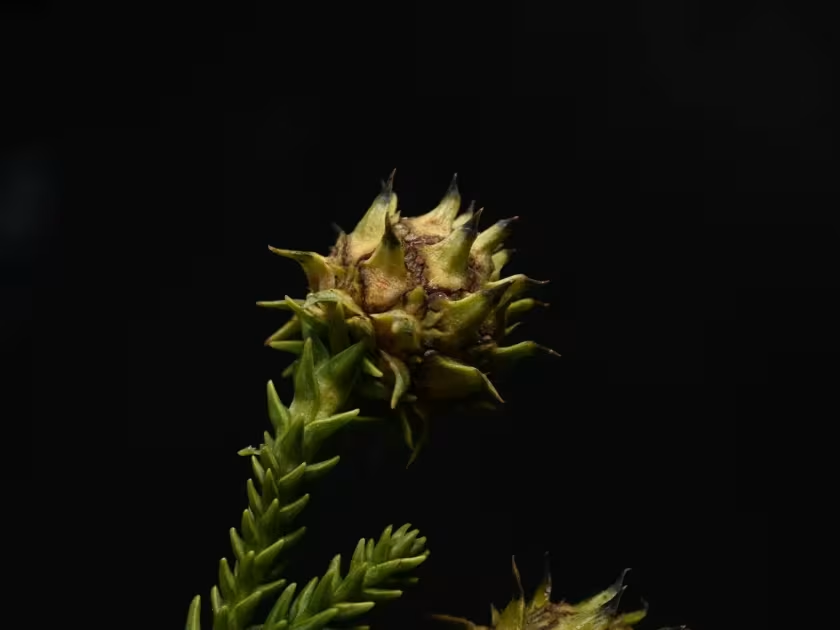
Description
Growing requirements
Japanese cedar (Cryptomeria japonica) is a prominent member of the Cupressaceae family, native to Japan and China. It is a fast-growing, evergreen conifer that has been cultivated for centuries for its high-quality timber and ornamental value.
The tree thrives in regions with a humid, temperate climate and mild winters. It requires consistent moisture throughout the year and performs best in deep, fertile soils that are slightly acidic and well-drained, avoiding sites with standing water.
As a forest crop, Cryptomeria japonica is highly valued for its light, fragrant, and rot-resistant wood. It is commonly used in Japan for architecture, traditional furniture, and handicrafts, making it an economically significant timber species.
In silvicultural practices, site selection is crucial; the trees require protection from severe, drying winds which can damage the foliage. Proper spacing in plantations is essential to ensure adequate airflow and light penetration for optimal wood growth.
Management involves regular weeding in the early stages of establishment and occasional pruning to promote straight stem growth. Once mature, the trees become quite self-sustaining provided the climatic conditions match their needs.
Main diseases and pests
Fungal pathogens such as Cercospora needle blight and various root rot fungi are the most common threats, typically triggered by high humidity in stagnant air or waterlogged soil conditions.
Pests including spider mites and various scale insects may infest the foliage, particularly in nurseries or areas with suboptimal air circulation, leading to yellowing and premature needle drop.
Integrated Pest Management (IPM) strategies, including the use of systemic fungicides and horticultural oils, are effective for controlling outbreaks while minimizing the impact on beneficial biodiversity.
Environmental stressors such as prolonged drought can weaken the trees, making them more susceptible to boring insects that can cause significant damage to the trunk and timber quality.
Regular monitoring of plantation health and maintaining sanitary conditions—such as the prompt removal of infected plant debris—are the best defenses against widespread disease development in timber crops.