
Maximowicz poplar
Populus maximowiczii A. Henry
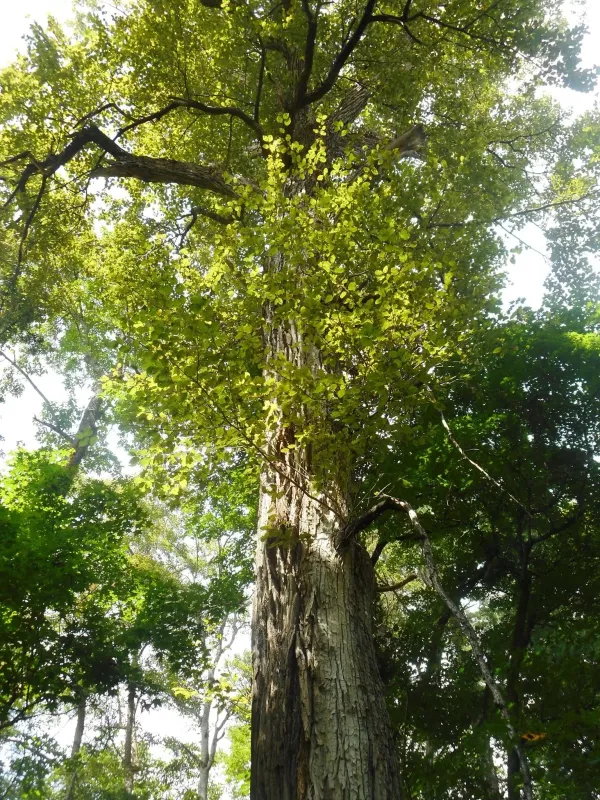
Description
Sowing dates
The Maximowicz poplar (Populus maximowiczii A. Henry) belongs to the Salicaceae family and is recognized for its rapid growth rate, making it a valuable species for industrial forestry.
Propagation is typically carried out via cuttings, which ensures genetic consistency and facilitates easier establishment compared to seeding methods in controlled nursery conditions.
Early spring is the most suitable time for planting, allowing the trees to establish their root systems before the onset of summer heat and potential moisture stress.
Proper site preparation is essential, including clearing competitive vegetation to ensure that young saplings have access to all available soil nutrients and light.
Spacing should be calculated based on the intended purpose of the stand, whether it is for pulpwood production, ornamental use, or establishing windbreaks for agricultural fields.
Growing requirements
This species thrives in deep, fertile, and well-drained soils, showing a preference for loamy textures that can retain enough moisture throughout the growing season.
It requires consistent access to water and is sensitive to prolonged drought, which can significantly inhibit growth and make the trees more susceptible to pest attacks.
The Maximowicz poplar is well-adapted to temperate climates and demonstrates excellent cold hardiness, making it suitable for regions with harsh winter conditions.
Full sun is mandatory for optimal development; the species does not tolerate shade well, and suppressed trees will fail to reach their full potential in wood volume.
Regular maintenance, including weeding and soil aeration in the first few years, is crucial for accelerating the tree's development and ensuring a healthy plantation.
Yield
Maximowicz poplar is highly prized for its wood, which is lightweight, soft, and easy to process, making it ideal for the pulp, paper, and plywood industries.
The species provides high yields of biomass, which can be harvested in relatively short rotation cycles, providing an efficient source of raw materials for manufacturers.
Beyond industrial timber, the tree serves functional roles in agroforestry, such as forming effective windbreaks that protect sensitive crops from erosion and wind damage.
Its aesthetic qualities, including a distinct bark texture, make it a popular choice for urban landscaping and reforestation projects in temperate zones.
Sustainable plantation management can lead to consistent annual growth increments, maximizing the return on investment for large-scale timber cultivation projects.
Main diseases and pests
Fungal diseases, such as leaf rust and various bark cankers, remain the most significant threat, often spreading rapidly in poorly ventilated or excessively humid conditions.
Defoliating insects, including beetles and various caterpillar species, can cause severe damage to the canopy, leading to reduced photosynthesis and overall growth stagnation.
Proactive monitoring is essential; early detection of pest activity allows for localized treatments that minimize the need for broad-spectrum chemical interventions.
Physical damage to the trunk or roots caused by heavy machinery increases the risk of infection by pathogens, which can lead to long-term decline in tree health.
- Implement strict hygiene protocols in plantations.
- Remove infected limbs or trees promptly.
- Promote biodiversity to encourage natural predators of insect pests.
Harvesting
The harvest cycle for the Maximowicz poplar is determined by the target wood diameter, usually occurring between 15 and 25 years after the initial planting.
Industrial harvesting is typically mechanized, utilizing felling heads and processors that optimize the yield and ensure the highest quality of the harvested logs.
Harvesting during the dormant season is recommended, as this reduces impact on the forest floor and ensures better wood quality by lowering moisture content.
Post-harvest management involves clearing slash and residues to minimize the habitat for pests and to prepare the site for the subsequent planting cycle.
Strategic logistics are employed to transport the timber to processing facilities efficiently, minimizing delays and maintaining the structural integrity of the harvested material.