
Jacksonia scoparia
Jacksonia scoparia
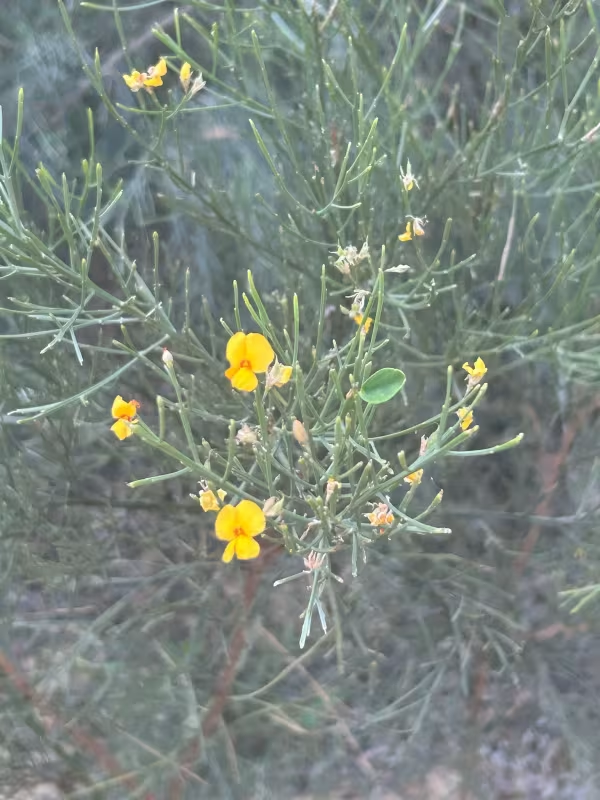
Description
Sowing dates
Propagation of Jacksonia scoparia is primarily achieved through seeds. Because the seeds are encased in a hard coat, they require scarification or treatment with hot water to break dormancy and ensure germination.
Sowing should take place in a well-draining, nutrient-poor substrate that mimics the plant's natural sandy habitat. Early spring is the ideal time for sowing, as consistent temperatures facilitate successful seedling emergence.
Propagation via cuttings is also possible but challenging due to the woody nature of the stems. Cuttings must be treated with rooting hormones and kept under high humidity to prevent desiccation before root initiation occurs.
Incorporating mycorrhizal fungi into the growing medium is essential for long-term health. These symbiotic organisms assist the plant in extracting phosphorus and other nutrients from soil environments where standard fertilization would be harmful.
Seedlings are vulnerable to competition from fast-growing weeds. During the first growing season, it is crucial to keep the area clear to ensure the young plant establishes a strong and stable root system.
Growing requirements
Jacksonia scoparia, a member of the Fabaceae family, is a distinct perennial shrub characterized by its flattened, leafless stems known as cladodes, which perform photosynthesis in the absence of traditional foliage.
Native to Australia, this plant is well-adapted to dry sclerophyll forests and sandy soils. It is highly resilient to harsh environmental conditions, including prolonged droughts and intense heat waves.
The plant thrives in full sun exposure. Shaded conditions are detrimental to the species, causing the stems to stretch and lose their architectural shape, which significantly reduces the plant's ornamental value.
Soil requirements are strictly centered on drainage. This species cannot tolerate waterlogged conditions, as poor drainage almost inevitably leads to root rot and the rapid death of the shrub.
Climate preferences include mild winters. While established specimens can tolerate occasional light frosts, severe or prolonged freezing temperatures can damage the delicate terminal stems of the plant.
Yield
The primary economic use of Jacksonia scoparia is as an ornamental shrub in landscape design, particularly in regions that mirror its native Australian climate and soil types.
The plant is prized for its attractive, cascading habit and the profuse display of bright yellow flowers. These features make it an excellent choice for xeriscaping and sustainable garden designs.
Ecologically, the plant contributes to land management by stabilizing loose, sandy soils. Its extensive root system helps prevent wind and water erosion on embankments and dunes.
While the timber is exceptionally dense and hard, it lacks significant commercial value due to the plant's relatively small size and branching structure, rendering it unsuitable for timber production.
It is not cultivated for agricultural feed. The presence of specific chemical compounds in the foliage makes the plant unpalatable and potentially toxic to livestock, preventing its use as forage.
Main diseases and pests
The most significant threat to Jacksonia scoparia is root-rot fungi, particularly those in the genus Phytophthora. These pathogens are stimulated by excess moisture and improper drainage in the root zone.
Sucking insects, such as aphids and spider mites, may attack the green stems. These pests are more problematic in enclosed environments or during periods of environmental stress that weaken the plant's defenses.
High-phosphorus fertilizers are a major threat to this species. Being an Australian native adapted to phosphorus-deficient soils, the plant can suffer severe physiological distress and toxicity from standard garden fertilizers.
Invasive plant species can quickly outcompete Jacksonia in its juvenile stages. Proper site preparation and early weed management are critical to ensuring the survival and growth of the shrub.
Mechanical damage to the stems from maintenance equipment can lead to secondary infections. All pruning should be performed carefully, using sterilized tools to minimize the risk of pathogen entry.