
Jackiopsis ornata
Jackiopsis ornata
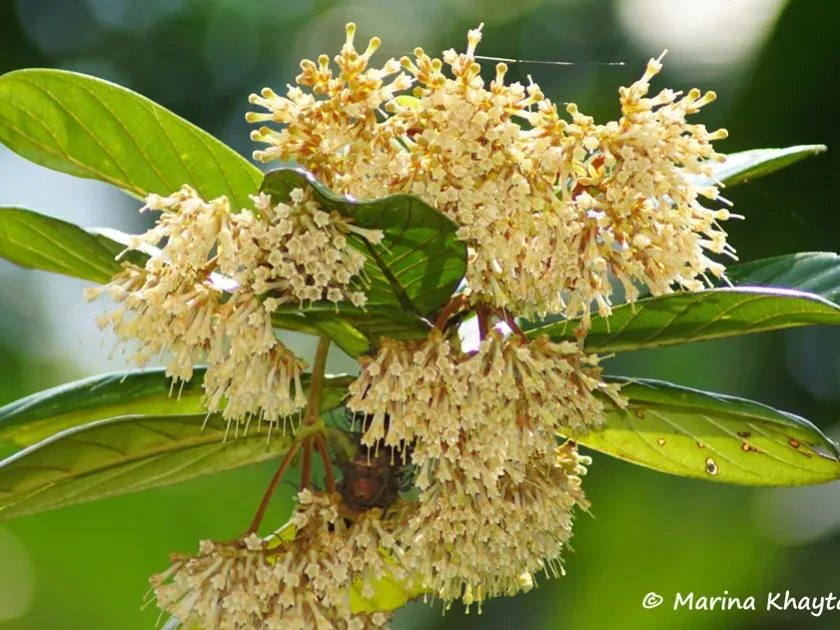
Description
Sowing dates
Jackiopsis ornata is a distinctive tree species within the Rubiaceae family, native to the tropical rainforests of Southeast Asia, including Malaysia and Indonesia.
Propagation typically involves high-quality seeds that require a humid and warm environment to break dormancy and initiate successful germination.
Sowing must be conducted in specialized nurseries where moisture levels and temperature fluctuations are strictly controlled to ensure seedling survival.
The seeds should be sown shortly after extraction from the fruit to maintain viability, as they are susceptible to rapid drying and loss of germination potential.
Careful spacing during the initial nursery stage allows for optimal root development before transplanting the saplings to permanent field sites.
Growing requirements
This species thrives in nutrient-rich, acidic, and well-drained forest soils, which are characteristic of its native tropical environment.
It requires consistent and high levels of rainfall throughout the year, as it does not possess strong mechanisms to survive prolonged seasonal droughts.
Shade management is crucial for younger plants, as direct exposure to harsh tropical sunlight can cause physiological stress and stunted development.
Regular monitoring of soil pH and nutrient availability is recommended to maintain vigorous growth, especially in cultivated plantation settings.
The tree benefits from organic mulching, which helps to preserve soil moisture and provides a slow-release source of nutrients as the mulch decomposes.
Yield
Jackiopsis ornata is primarily valued for its timber, which is appreciated for its structural integrity and durability in local construction.
The species also holds potential in the phytochemical industry due to the presence of secondary metabolites and alkaloids in its bark and leaves.
Productivity is measured by the biomass accumulation over several years, requiring sustainable management practices to ensure long-term yields.
Agroforestry systems often incorporate this tree to improve land use efficiency while providing stable conditions for its slow growth cycle.
Harvesting strategies are usually long-term, focusing on selective extraction rather than clear-cutting to preserve the ecological balance of the site.
Main diseases and pests
The main threats to this tree include root rot pathogens that proliferate in waterlogged conditions where soil drainage is inadequate.
Insect pests such as leaf miners and defoliating beetles can pose significant challenges to plantation health if not managed through integrated pest control.
Fungal outbreaks are more prevalent during periods of high humidity and poor air circulation, necessitating thinning operations in dense plantations.
Preventive measures include the removal of diseased plant debris and the maintenance of diverse planting schemes to reduce the spread of specific pathogens.
Biosecurity protocols at the plantation level are essential to prevent the introduction of invasive pests that could compromise tree vitality.
Harvesting
The harvesting of timber is a precise operation that typically occurs after the tree has reached its mature growth stage to ensure maximum wood density.
Manual harvesting techniques are preferred to minimize damage to the surrounding flora and the soil structure in fragile tropical ecosystems.
When collecting medicinal bark or leaves, operators must follow sustainable harvesting guidelines to prevent ring-barking or excessive foliage removal.
Post-harvest processing involves immediate grading and drying to protect the material from moisture-related degradation or microbial contamination.
Proper storage conditions, including controlled ventilation, are critical to maintaining the quality and value of the harvested plant components.