
Jacaratia mexicana
Jacaratia mexicana
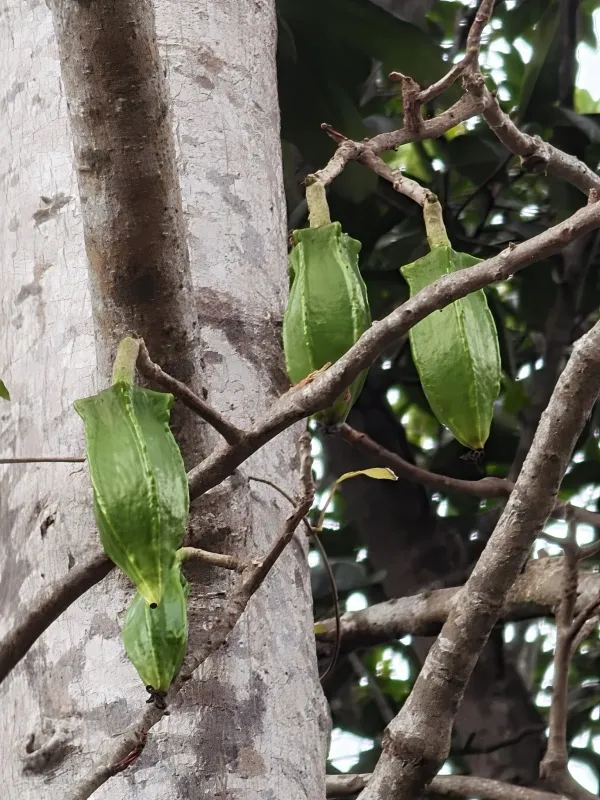
Description
Growing requirements
Jacaratia mexicana is a distinctive fruit-bearing tree belonging to the Caricaceae family. Unlike its relative, the common papaya, it develops a woody, sturdy trunk and thrives as a medium-sized tree in tropical environments.
The species is native to the tropical forests and semi-arid regions of Mexico and Central America. It has evolved to adapt to climates with distinct dry and wet seasons, requiring warm temperatures throughout the year.
Soil requirements for this crop include excellent drainage, as the species is highly susceptible to root rot in waterlogged conditions. Sandy or volcanic loam soils are generally preferred for optimal growth.
The tree is strictly non-frost tolerant and requires protection from cold snaps. Its preferred habitat ranges from sea level to moderate elevations where temperatures remain consistently above 15–20 degrees Celsius.
Sunlight exposure is crucial for the development of its fruit. In an orchard setting, spacing is essential to ensure adequate airflow and prevent the buildup of humidity around the canopy, which can lead to fungal issues.
Yield
The economic value of Jacaratia mexicana lies primarily in its edible fruits, which are traditionally consumed locally. The fruit flesh is firmer than that of a papaya and has a unique flavor profile often used in jams and sweets.
Beyond its culinary uses, the wood of this tree is highly prized by local artisans for its lightweight and porous characteristics, making it suitable for carving and the manufacturing of light wooden containers.
The fruit contains proteolytic enzymes similar to those found in other Caricaceae, which are known to aid digestion and offer potential nutraceutical benefits for those who consume them regularly.
Yield potential is dependent on optimal pollination and sufficient water availability during the fruit-set period. Mature trees can be quite productive, providing a seasonal harvest that sustains local market demand.
Future agricultural potential rests on the domestication and improvement of wild strains, potentially increasing fruit size and uniformity to meet international trade quality standards.
Main diseases and pests
The primary threats to Jacaratia mexicana plantations are fungal pathogens, specifically those causing root rot and stem canker. These conditions are exacerbated by poor drainage and excessive irrigation practices.
Fruit flies pose a major threat to commercial output. If left uncontrolled, they can destroy a significant portion of the harvest, necessitating strict integrated pest management (IPM) protocols.
Nematodes are another common soil-borne threat that can inhibit nutrient uptake in the roots, particularly in sandy soil environments common to their native range.
Effective management includes regular monitoring for early signs of infection, such as yellowing leaves or soft spots on the fruit, and immediate removal of affected plant material to stop the spread.
Sustainability in management is achieved through the use of organic soil amendments and maintaining biodiversity in and around the orchard to support natural predators of common fruit pests.