
Blue jacaranda
Jacaranda mimosifolia D. Don
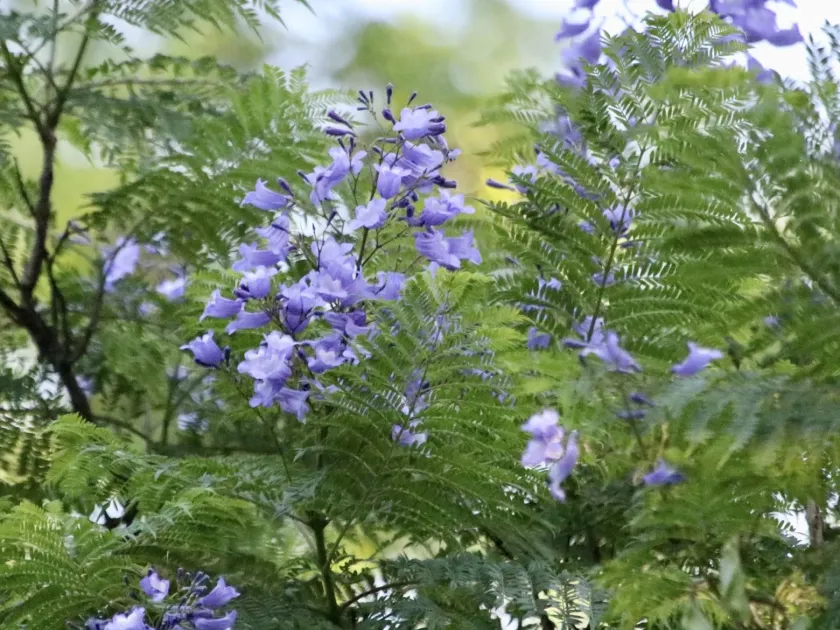
Description
Sowing dates
The propagation of the Blue Jacaranda is primarily achieved through seeds or semi-hardwood cuttings. Seeds should be sown in a light, well-draining substrate while maintaining soil temperatures between 22 and 25 degrees Celsius for optimal germination.
To ensure high germination rates, it is recommended to soak the seeds in warm water for 12 to 24 hours prior to planting. The seeds should be covered with a thin layer of soil, not exceeding 1 centimeter, and typically sprout within 3 to 5 weeks.
Cuttings are best taken in late summer using shoots from the current year. These should be placed in a perlite and peat mix under a cover to maintain the high humidity required for successful root development.
Once the seedlings have developed several sets of true leaves, they should be transplanted into individual pots with nutrient-rich soil. Proper lighting is essential at this stage to prevent the plants from becoming leggy.
Transplanting into open ground should only occur once the young trees are sufficiently established and hardened off, which usually takes several months under greenhouse or indoor conditions.
Growing requirements
Blue Jacaranda belongs to the Bignoniaceae family and thrives in warm, temperate to tropical climates. It prefers sunny locations that are sheltered from harsh winds, which can damage its delicate, fern-like foliage.
The ideal soil is a fertile, well-drained loam with a neutral or slightly acidic pH. Excellent drainage is critical, as stagnant water in the root zone quickly leads to root rot and other fungal pathogens.
The tree requires consistent but moderate watering during the active growing season. While established trees are somewhat drought-tolerant, prolonged water stress can lead to premature leaf drop and reduced bloom quality.
Regular fertilization with a balanced mix of macro and micronutrients promotes vigorous growth and spectacular flowering. Phosphorus-rich fertilizers are particularly beneficial just before the blooming period.
Temperature is the most limiting factor for this species. While it may tolerate light frost once mature, extreme or prolonged cold will cause significant dieback or death of the tree.
Main diseases and pests
The primary threats to the health of the Blue Jacaranda are related to poor water management. Overwatering often leads to root rot, which is difficult to manage once the symptoms become clearly visible on the foliage.
Pests such as aphids, scale insects, and spider mites frequently target the young shoots and leaves. These infestations are more prevalent in dry conditions or when the tree is under stress from nutrient deficiencies.
Effective management of these pests involves the application of systemic insecticides or horticultural oils, which should be used carefully to avoid harming beneficial pollinator insects that visit the tree during blooming.
Preventive maintenance includes regular crown thinning to improve air circulation, which significantly reduces the risk of fungal infections like powdery mildew and bacterial leaf spots.
Regular inspections of the bark and trunk are necessary to detect early signs of wood-boring insects or structural damage caused by environmental factors, ensuring long-term health and stability of the specimen.