
Ixonanthes reticulata
Ixonanthes reticulata
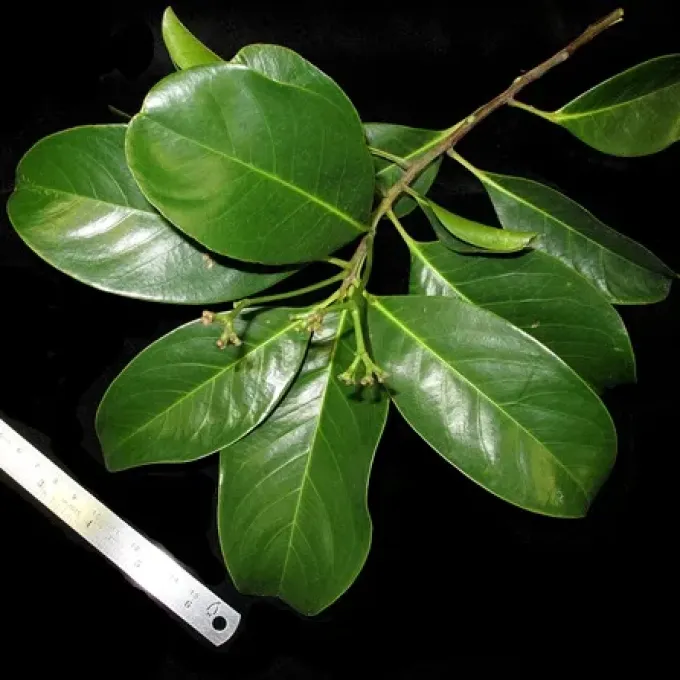
Description
Growing requirements
Ixonanthes reticulata is a notable tropical tree species belonging to the Ixonanthaceae family, known for its robust growth and high-quality wood production.
This species is native to the tropical regions of Southeast Asia, thriving in environments characterized by high annual rainfall and consistently warm temperatures throughout the year.
For successful cultivation, the species requires deep, well-draining soils with a significant amount of organic matter to support its expansive and healthy root system.
Climate requirements for Ixonanthes reticulata include a tropical climate with high humidity levels, as the plant is not adapted to withstand dry spells or colder environmental conditions.
In terms of light exposure, the plant prefers areas with plenty of diffused light, although young trees can benefit from partial shelter to protect them from direct sun damage during their early stages.
Yield
The primary economic value of Ixonanthes reticulata lies in its timber, which is highly sought after for its density, durability, and appealing appearance in furniture manufacturing.
Industries utilizing this wood value its resistance to fungal decay and insect attacks, making it a preferred choice for outdoor structural elements and premium interior flooring.
In local communities, various parts of the tree are also recognized for traditional uses, including the potential application of bark extracts in natural antiseptic preparations.
The production cycle is typically long-term, requiring careful forest management practices to ensure the sustainability of the harvest and the regeneration of the population.
As market demand for sustainably sourced tropical wood continues to grow, Ixonanthes reticulata remains a significant commodity for regional export and domestic construction needs.
Main diseases and pests
The main threats to this tree include root pathogens that flourish in waterlogged soils, necessitating stringent soil moisture management in commercial plantations.
Pests such as wood-boring beetles can significantly impact the structural integrity of the timber, requiring proactive monitoring and prevention techniques.
Maintaining biological diversity within the plantation area acts as a natural deterrent to large-scale pest outbreaks, keeping the ecosystem balanced and resilient.
Integrated pest management strategies should focus on preventive measures, including regular thinning of the canopy to improve air circulation and prevent fungal growth.
Periodic assessments of tree health are essential to detect any signs of infestation or disease early, allowing for targeted and environmentally friendly interventions.