
Ixonanthes icosandra
Ixonanthes icosandra
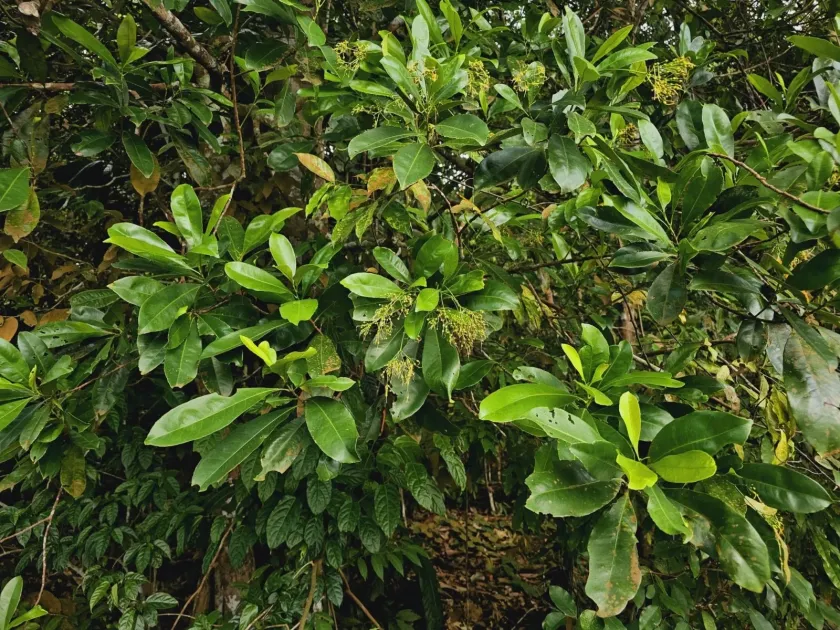
Description
Growing requirements
Ixonanthes icosandra is a significant evergreen tree species belonging to the Ixonanthaceae family. It is native to the tropical rainforests of Southeast Asia, thriving particularly well in the humid environments of Malaysia and the Philippines.
The culture requires a tropical climate characterized by consistently high temperatures and significant rainfall throughout the year. It does not tolerate prolonged dry seasons or exposure to low temperatures, which can severely impact its development.
Optimal growth conditions involve deep, well-drained soils rich in organic matter. While the plant can adapt to various tropical soils, it prefers fertile loam or alluvial soils that provide sufficient moisture retention without the risk of waterlogging.
Botanically, the tree is recognized for its dense foliage and hard wood. The root system is relatively shallow, necessitating careful site selection to ensure stability and protection from extreme soil temperature fluctuations.
The primary economic use of this tree is in the timber industry. Its wood is highly valued for its hardness, density, and natural durability, making it suitable for high-quality construction projects, cabinet making, and specialized carpentry work.
Main diseases and pests
Fungal diseases are the primary threats to Ixonanthes icosandra, often occurring in areas with poor airflow and excessive humidity. Regular thinning of the forest canopy is recommended to maintain a healthy environment.
Wood-boring insects represent a critical risk to mature trees, potentially causing significant economic losses. Periodic inspections of the bark and main trunk are essential for early detection of infestations.
Competition from aggressive climbing vines and fast-growing shrubs poses a significant challenge for young saplings. Mechanical weeding and maintenance of clear buffer zones around each tree are standard agricultural practices.
Root rot pathogens thrive in compacted or waterlogged soils. Ensuring proper drainage is the most effective preventative measure against soil-borne diseases that attack the root system.
Defoliating insects can significantly reduce the photosynthetic capacity of the tree if left unmanaged. Integrated pest management strategies are often implemented in commercial plantations to maintain long-term tree health.