
Ixiolaena leptolepis
Ixiolaena leptolepis
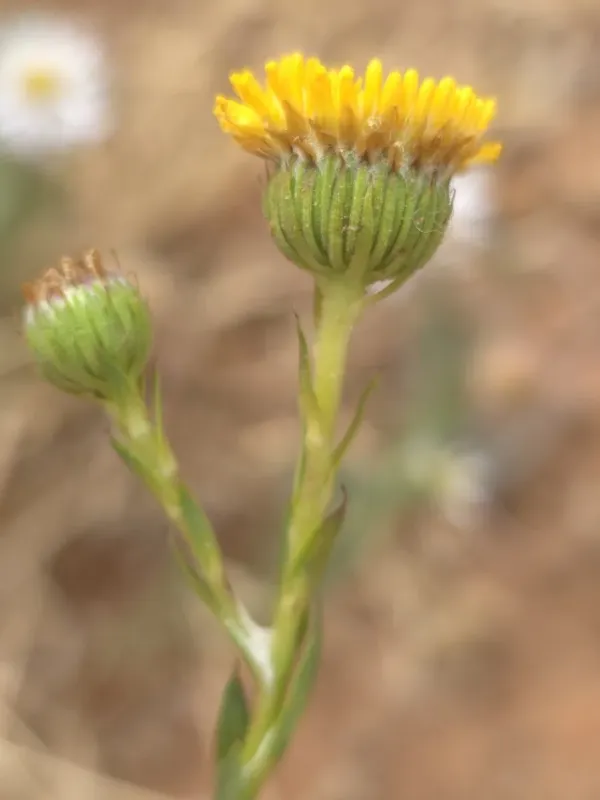
Description
Growing requirements
Ixiolaena leptolepis is a perennial herbaceous plant belonging to the Asteraceae family. Native to the arid regions of Australia, it is specifically adapted to environments with limited rainfall and high temperatures.
The botanical structure of the plant features pubescent foliage, which serves as a critical mechanism for moisture retention. This feature, combined with a deep root system, allows the plant to thrive in nutrient-poor, sandy soils typical of the Australian outback.
Successful cultivation requires sites with excellent drainage to prevent root rot, as the species is highly sensitive to waterlogged conditions. It prefers full sun exposure, which is essential for maintaining its natural growth cycle and reproductive health.
Agronomic management for this species focuses on sustainability and restoration. Given its hardiness, it requires little to no chemical fertilization or supplemental irrigation once the plants are well-established in their habitat.
Economically, this plant serves as a vital resource for land reclamation. It is frequently employed in revegetation efforts to stabilize soil, prevent wind erosion, and maintain the biodiversity of sensitive desert ecosystems.
Main diseases and pests
Overgrazing by introduced livestock is the primary threat to the stability of Ixiolaena leptolepis populations. Uncontrolled foraging prevents the plant from setting seed, thereby hindering the natural regeneration process of the community.
Pests such as aphids and spider mites can occasionally affect the plant, particularly in sheltered or crowded conditions. However, natural predators in the native range typically manage these populations without the need for pesticides.
Fungal pathogens associated with high humidity are generally not a concern unless the plant is grown in unsuitable, damp environments. Maintaining optimal soil aeration is the most effective preventative measure against disease.
Invasive species often pose a challenge by competing for limited resources such as soil nutrients and sunlight. Effective site preparation is essential to reduce the pressure from competing annual weeds in the initial stages.
The resilience of this species to harsh environmental conditions makes it a robust choice for dryland farming. With appropriate management strategies, the risks associated with typical agricultural pests can be kept to an absolute minimum.