
Ixiolaena brevicompta
Ixiolaena brevicompta
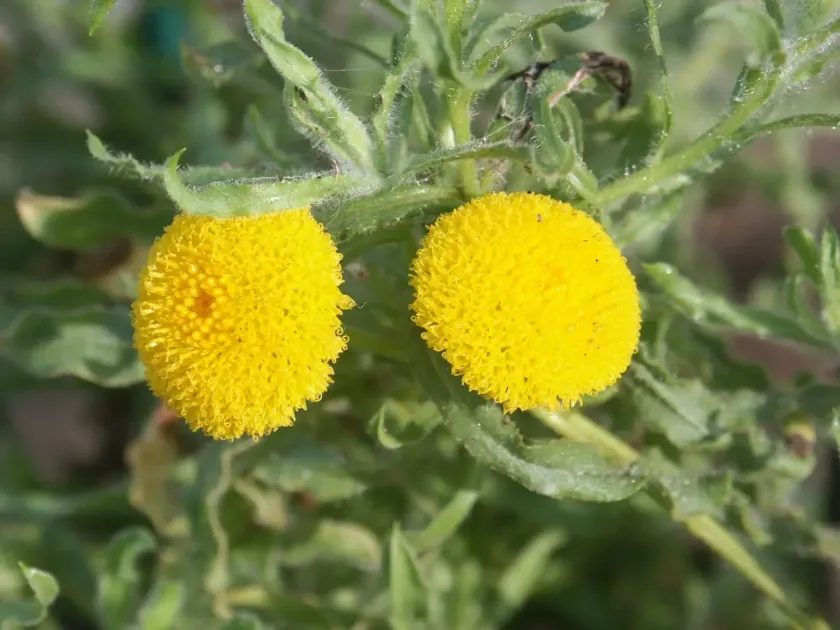
Description
Growing requirements
Ixiolaena brevicompta is a perennial herbaceous plant belonging to the Asteraceae family. It is native to the arid regions of Australia, where it has evolved to thrive in challenging environmental conditions.
The plant is highly drought-tolerant, making it an excellent candidate for xeriscaping or cultivation in semi-arid zones. It requires full sun exposure and prefers well-draining, sandy, or stony soils that do not hold excess water.
Botanically, the species is distinguished by its branched growth habit and narrow leaves covered in fine hairs. This pubescence is a key adaptation that reflects sunlight and reduces transpiration rates during peak temperatures.
The plant produces yellow, daisy-like flower heads that are aesthetically pleasing and long-lasting. Its morphological features make it a potential resource for the dried flower industry and floral design.
Cultivation practices focus on ensuring good drainage and preventing any waterlogging of the root system. As a low-maintenance crop, it requires minimal fertilization and survives well in nutrient-poor substrates.
Main diseases and pests
The primary threats to Ixiolaena brevicompta are moisture-related diseases. Fungal infections, particularly root rot, are common if the plant is grown in heavy, poorly draining soils or in regions with high humidity.
Excessive rainfall or irrigation can lead to the rapid decline of the plant. Therefore, maintaining a dry microclimate around the foliage and roots is essential for preventing pathogen outbreaks.
Pest damage may occur from sap-sucking insects such as aphids, which can cluster on new growth during the warmer months. While usually not fatal, severe infestations can stunt the plant's development.
Grasshoppers and other chewing insects native to the habitat may periodically feed on the foliage. Monitoring the fields during peak insect activity is recommended to manage populations before they cause significant aesthetic damage.
Preventive measures include implementing proper spacing to ensure adequate air circulation and avoiding overhead irrigation. These cultural practices significantly reduce the risk of humidity-induced diseases.