
Swamp Isotoma
Isotoma fluviatilis (R. Br.) F. Muell. ex Benth.
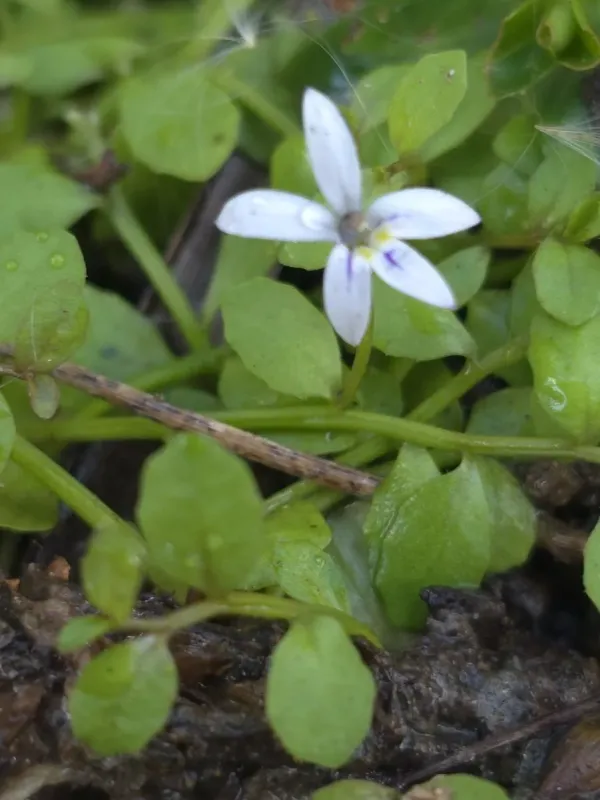
Description
Sowing dates
Sowing seeds of Swamp Isotoma is typically performed in late winter or early spring in a greenhouse or indoor environment to ensure the seedlings are strong enough for transplanting.
Given the minute size of the seeds, they should be sown on the surface of moist compost and lightly pressed down without being covered by soil to allow necessary light exposure.
Maintaining high humidity and a stable temperature around 20°C is crucial during the germination phase, which is best achieved by covering trays with plastic or glass.
Once seedlings emerge, the cover should be removed, and the plants kept in a bright location, avoiding direct harsh sunlight that could dry out the delicate root systems.
Acclimatizing the plants to outdoor conditions before final planting is essential to ensure they establish well in the garden setting without transplant shock.
Growing requirements
Swamp Isotoma (Isotoma fluviatilis) is a perennial herbaceous plant belonging to the Campanulaceae family, characterized by its low-growing, mat-forming habit.
Native to Australia and New Zealand, this plant naturally thrives in moist environments, such as riverbanks and wetlands, making it an excellent choice for waterside landscaping.
It prefers rich, loamy, and consistently moist soil, and it can even tolerate shallow water, making it a versatile option for bog gardens or the edges of decorative ponds.
In terms of light, the plant performs well in full sun to partial shade, provided that the soil moisture levels are maintained throughout the entire growing season.
While hardy in warmer climates, Swamp Isotoma may require protection or winter mulching in colder regions to prevent deep freezing of the soil and damage to the roots.
Main diseases and pests
The primary threat to Swamp Isotoma is drought; the plant has very little tolerance for dry soil and will quickly decline if moisture levels are not managed carefully.
In poor drainage conditions, specifically when stagnant water exists in heavy soil, the plant can become susceptible to root rot and other fungal infections.
Slugs and snails are the most common pests, as they are attracted to the lush, green foliage of the mat-forming plants during damp conditions.
Maintaining good air circulation through proper spacing and avoiding overcrowding can significantly reduce the risk of humidity-related plant diseases.
Monitoring the foliage regularly for signs of distress or pest damage is recommended to maintain the aesthetic appeal and overall health of your groundcover planting.