
Isotoma axillaris
Isotoma axillaris Lindl.
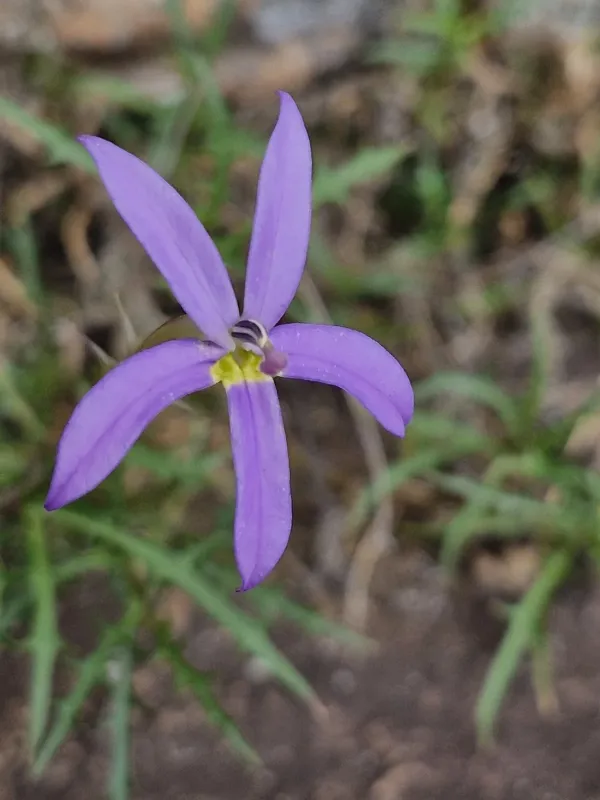
Description
Sowing dates
The seeds of Isotoma axillaris should be sown indoors in late winter or early spring, typically between February and March. Since the seeds are extremely small, they should be surface-sown onto a moist, sterile starting mix.
Light is essential for germination, so the seeds should not be covered with soil. Covering the tray with a clear dome or plastic wrap helps maintain the high humidity required for successful sprouting.
Once seedlings are large enough to handle, they are pricked out into individual containers. A well-draining, lightweight potting mix is recommended to ensure healthy root development during this initial phase.
Hardening off the plants is a crucial step before transplanting them into the garden. Gradually expose the young isotoma to outdoor conditions over a week to prevent transplant shock.
Transplanting into the garden bed should only occur after all risks of frost have passed. Space the plants about 20 to 25 centimeters apart to ensure adequate airflow and room for the plants to spread.
Growing requirements
Isotoma axillaris, a member of the Campanulaceae family, originates from Australia and thrives in warm, sunny locations. It is commonly treated as an annual bedding plant in cooler temperate climates.
The soil must be fertile, light, and possess excellent drainage characteristics. Heavy or waterlogged soils are detrimental to the root system and will often lead to sudden decline in plant health.
Regular, moderate watering is necessary throughout the growing season. While the plant can tolerate slight dryness, consistent moisture levels help maintain its characteristic lush and vibrant foliage.
A balanced, water-soluble fertilizer applied every few weeks supports continuous blooming. Excessive nitrogen should be avoided as it promotes vegetative growth at the expense of flower production.
Pinching back the growing tips in the early stages of growth encourages a bushier habit. This practice is essential for producing the dense, star-shaped flower carpet that makes this plant popular.
Main diseases and pests
Root rot caused by Phytophthora or other water-borne pathogens is the primary threat to this species. Such conditions are usually triggered by poor drainage or overly frequent irrigation in damp weather.
Aphids and spider mites are the most frequent insect pests. These pests target the young, tender growth and can cause stunted development, leaf curling, and overall loss of ornamental value.
Managing the plant environment is the best defense against disease. Ensuring good air circulation and cleaning up debris around the base of the plants reduces the potential for fungal spread.
In case of pest infestation, horticultural soaps or specific systemic insecticides may be used according to the product guidelines to control the population and protect the blooms.
Slugs and snails may occasionally feed on foliage during wet summers. Using physical barriers like copper tape or crushed eggshells around the base can effectively discourage these garden pests.