
Ischnosiphon leucophoeus
Ischnosiphon leucophoeus
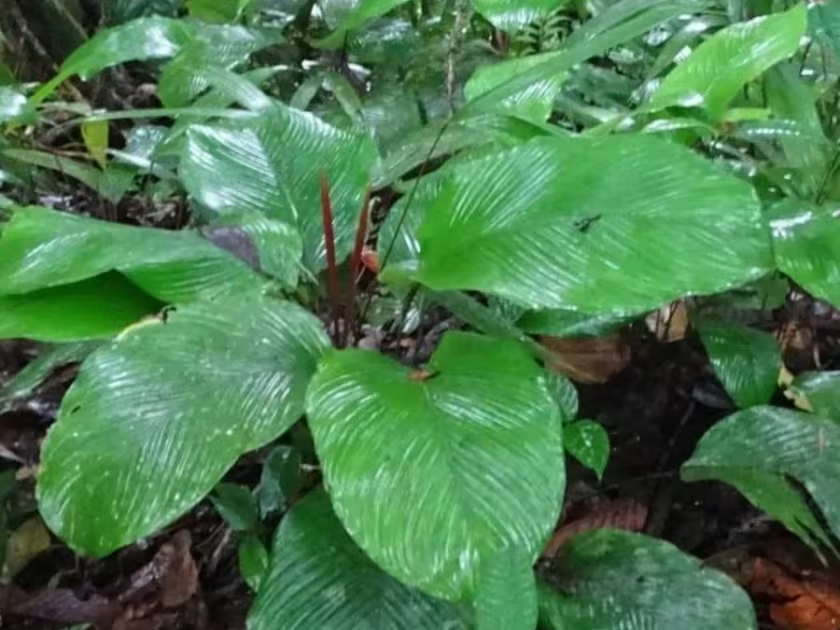
Description
Sowing dates
Ischnosiphon leucophoeus is a member of the Marantaceae family, known for its versatile and durable stems utilized in various traditional crafts.
Propagation is primarily achieved through rhizome division, as this method ensures the rapid establishment of new shoots and maintains the genetic integrity of the plant.
The planting phase should coincide with the onset of the rainy season to provide the necessary humidity for the plants to root effectively without external water support.
Soil preparation involves clearing the undergrowth and adding organic amendments to ensure a loose, humus-rich substrate that promotes healthy rhizome development.
Young plants should be placed in shaded areas to mimic the forest floor environment, where they can gradually adapt to the specific microclimate of the site.
Growing requirements
The species requires a tropical climate with high, stable temperatures and minimal fluctuation, making it suitable only for equatorial or humid tropical regions.
Constant high humidity levels are essential; irrigation must be managed carefully to ensure the soil remains moist but not waterlogged at any point.
The preferred soil pH is slightly acidic, which is characteristic of the tropical rainforest soils where this species thrives naturally.
Exposure to direct, harsh sunlight must be avoided, as the large leaves of the plant are prone to chlorosis and physical damage under high light intensity.
Adequate air circulation is necessary to prevent fungal infections, which are common in environments with trapped humidity and stagnant air.
Main diseases and pests
Major threats to the cultivation of this species include fungal leaf spots caused by excessive soil moisture and poor ventilation in the canopy area.
Root rot pathogens represent the most significant risk, particularly in poorly drained soils where stagnant water creates conditions for fungal colonization.
Various sucking insects, such as aphids and mealybugs, may target young stems, potentially reducing the quality of the harvestable material.
Invasive weed competition can significantly suppress the growth of young Ischnosiphon plants, necessitating regular weeding during the early stages of development.
Integrated pest management strategies focusing on canopy clearing and controlled moisture levels are generally sufficient to mitigate most biological threats.
Harvesting
The harvest primarily involves the selective cutting of matured stems, which are highly valued for their elasticity and tensile strength in basketry.
Harvesting is typically performed using manual tools, ensuring that each cut is clean and performed close to the base without damaging the main rhizome cluster.
Post-harvest handling requires immediate stripping of the leaves and outer bark to prepare the flexible inner fibers for immediate use or controlled drying.
The quality of the final product depends heavily on the timing of the harvest; stems must be mature enough to be strong but young enough to remain flexible.
Sustainable harvesting practices involve rotating the areas from which stems are collected, allowing the plant to recover and produce new growth for subsequent seasons.