
Willmott's Iris
Iris willmottiana
Description
Growing requirements
Willmott's Iris (Iris willmottiana) is a perennial bulbous plant belonging to the Iridaceae family. It is a highly specialized species prized by enthusiasts for its unique appearance and early spring blossoms that bring color to alpine gardens.
Native to the mountainous regions of Central Asia, specifically the Tian Shan mountains, this plant has evolved to survive in harsh, rocky environments. Its natural habitat is characterized by sharp temperature fluctuations and distinct wet and dry seasons.
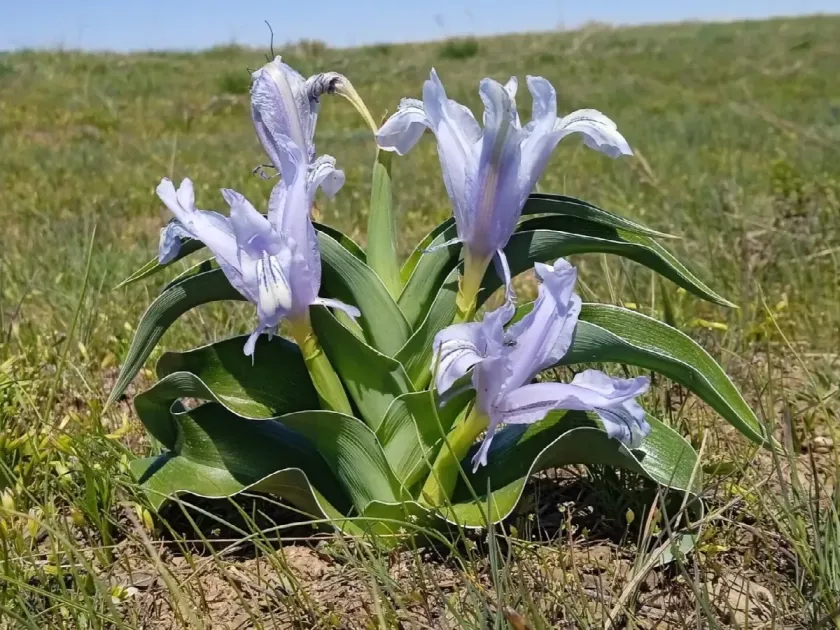
Botanically, it is classified as a dwarf iris, typically growing to a height of 15 to 30 cm. It possesses sickle-shaped leaves that protect the flower bud, and the blooms feature intricate color patterns, usually ranging from pale lilac to deep purple and blue.
To thrive in a garden setting, it requires conditions that mimic its wild origin. This means full sun exposure is non-negotiable for proper growth. The plant needs a site that offers high solar radiation throughout the day to ensure it receives sufficient energy for the next season's bulb development.
Soil structure is critical for this species. It demands excellent drainage, typically achieved through sandy or gravelly soils. Gardeners often incorporate coarse sand or fine grit to prevent water stagnation, which is the most frequent cause of bulb rot during the dormant phase.
Main diseases and pests
Fungal pathogens are the primary threat to Willmott's Iris, particularly those that target the bulb and roots. Excessive soil moisture, especially during dormancy, creates the perfect environment for rot-inducing fungi to destroy the plant.
Pests such as aphids and thrips can infest the foliage, particularly in early spring when the weather begins to warm. While they rarely kill the plant outright, they significantly weaken it and can cause deformities in the flower spikes.
Soil-dwelling insects, such as wireworms, may also pose a risk to the bulb. Preventive measures include ensuring the planting site is cleared of debris and, if necessary, using appropriate soil insecticides during the planting process.
Viral infections can sometimes affect these irises, leading to mottled foliage or stunted growth. Because viral diseases are often transmitted by sap-sucking insects, consistent pest control is essential for long-term health.
Cultural practices such as maintaining proper spacing between bulbs help improve air circulation, significantly reducing the risk of foliage diseases. Always discard any bulbs showing signs of decay to prevent contamination of the entire planting bed.