
West's Iris
Iris westii
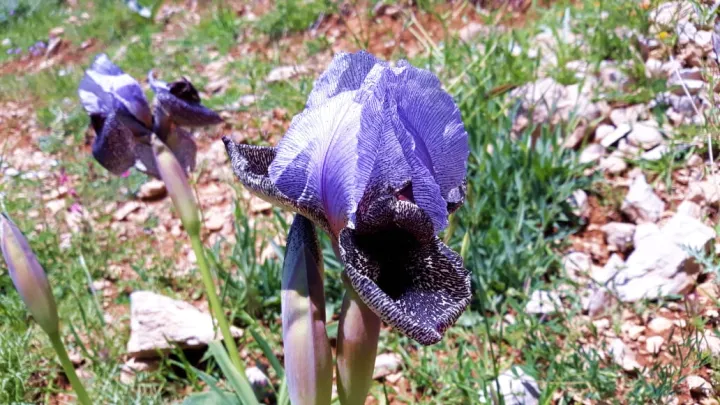
Description
Growing requirements
West's Iris (Iris westii) is a rare species of bulbous plant belonging to the Iridaceae family. This species is native to the Middle East, specifically found in Lebanon, where it grows in rocky, well-drained limestone soils within a Mediterranean climate zone.
Botanically, the plant is known for its elegant flowers, which typically feature soft blue or violet tones with intricate patterns. The leaves are slender and grass-like, designed to endure the short, moist spring season followed by a long, arid summer drought.
To cultivate this species successfully, one must replicate its natural habitat conditions, prioritizing exceptional soil drainage. The bulbs are highly susceptible to rot if exposed to moisture during their summer dormancy, so dry conditions are essential during this phase.
Sunlight requirements for Iris westii are very high. The plant thrives in full sun, which is necessary to trigger flowering and ensure the bulb gathers enough energy for the next growing season. Shaded locations are generally unsuitable for this iris species.
The soil should be mineral-rich and alkaline, avoiding high organic content which retains too much moisture. Gardeners should ensure the planting site is elevated or sloped to prevent any water pooling, which would be detrimental to the health of the bulb.
Main diseases and pests
The primary threat to West's Iris is fungal infection, particularly bulb rot, which thrives in overly damp environments or poor soil structure. Maintaining a dry environment during the dormant period is the most effective preventative measure against these pathogens.
Pests like aphids and thrips can cause significant damage to the foliage and flower buds, weakening the plant's vigor. Regular monitoring of the leaves for signs of discoloration or stunted growth is recommended throughout the active growing season.
To prevent disease outbreaks, it is crucial to maintain good air circulation around the plants. Crowded plantings should be avoided, and weeds must be kept in check as they can trap moisture and harbor potential insect vectors for diseases.
In case of infestation, biological or chemical control agents specific to the identified pest should be applied. However, due to the sensitivity of the species, care must be taken not to overspray with harsh chemicals that could damage the bulb tissue.
Good cultural practices, such as lifting and inspecting bulbs after the foliage dies back, allow gardeners to remove any diseased specimens and ensure that only healthy, clean bulbs are stored or replanted for the following season.