
Roof iris
Iris tectorum
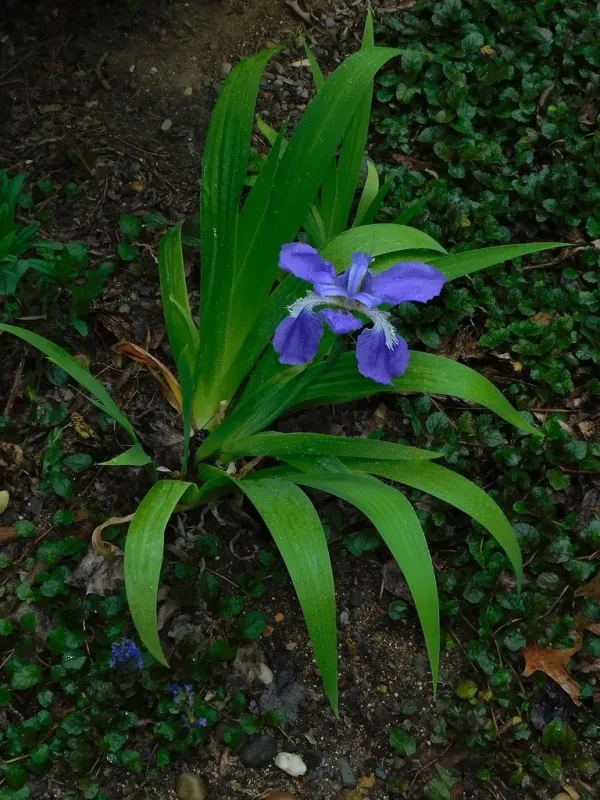
Description
Sowing dates
Propagation of the roof iris is best achieved by dividing the rhizomes after the flowering period or in early autumn. This allows the root system to establish itself in the ground before the winter dormant season begins.
Seed propagation is also possible but requires a period of stratification to break dormancy. Seeds should be sown in a seedbed or pots in the autumn, allowing them to undergo natural temperature fluctuations required for germination.
When planting, it is crucial to place the rhizome horizontally just below or even slightly at the soil surface. Unlike many other plants, the roof iris prefers the rhizome to be exposed to sunlight to prevent fungal infections and encourage growth.
Spacing between plants should be approximately 30 to 40 centimeters to ensure adequate airflow. Proper spacing prevents moisture accumulation around the foliage, which is essential for maintaining plant health in humid conditions.
As a member of the Iridaceae family, the roof iris is native to the mountains of East Asia. Its common name stems from the historical practice of cultivating these plants on thatched roofs in China and Japan, where they flourish in thin, well-drained substrate.
Growing requirements
The roof iris thrives in well-drained, slightly acidic to neutral soils. It is particularly sensitive to stagnant water, so incorporating grit or sand into heavy soil is necessary to ensure optimal drainage for the rhizomes.
Sunlight is a key requirement, as this species prefers full sun to light shade. In regions with intense summer heat, light afternoon shade is beneficial to protect the leaves from scorching and preserve the vibrant color of the flowers.
Watering should be balanced; while the plant needs moisture to grow, it requires a dry period after the flowering stage to allow the rhizomes to mature properly. Avoid overhead watering to reduce the risk of crown rot.
Feeding the plants with a balanced fertilizer in the early spring promotes healthy foliage growth. A second application of low-nitrogen, high-phosphorus fertilizer after flowering helps the plant build energy reserves for the following season.
Although generally winter-hardy, the roof iris benefits from a light mulch of pine needles or dry leaves in zones with harsh winters. This protection helps insulate the shallow rhizomes against extreme temperature shifts and soil heaving.
Main diseases and pests
Soft rot of the rhizome is the most significant threat, typically caused by bacteria thriving in waterlogged soil. If decay is spotted, the infected tissue must be cut away, and the area treated with a fungicide to prevent further spread.
Leaf spot disease, caused by fungi like Heterosporium, may appear during prolonged wet weather. To manage this, remove and destroy infected foliage promptly and apply suitable fungicides to protect the remaining healthy leaves.
Iris borers are common pests that feed on the rhizomes and leaves. Maintaining a clean garden bed by removing old debris in the fall reduces the overwintering sites for these insects, significantly lowering the risk of infestation.
Aphids can sometimes congregate on the flower stalks, causing distortion of the blooms. Regular monitoring and the application of insecticidal soap or neem oil are effective ways to manage aphid populations without harming the plant.
Garden slugs and snails can feed on the tender foliage, creating unsightly holes in the leaves. Using physical barriers, such as copper tape, or organic molluscicides around the base of the plant is an effective strategy for control.