
Iris sprengeri
Iris sprengeri
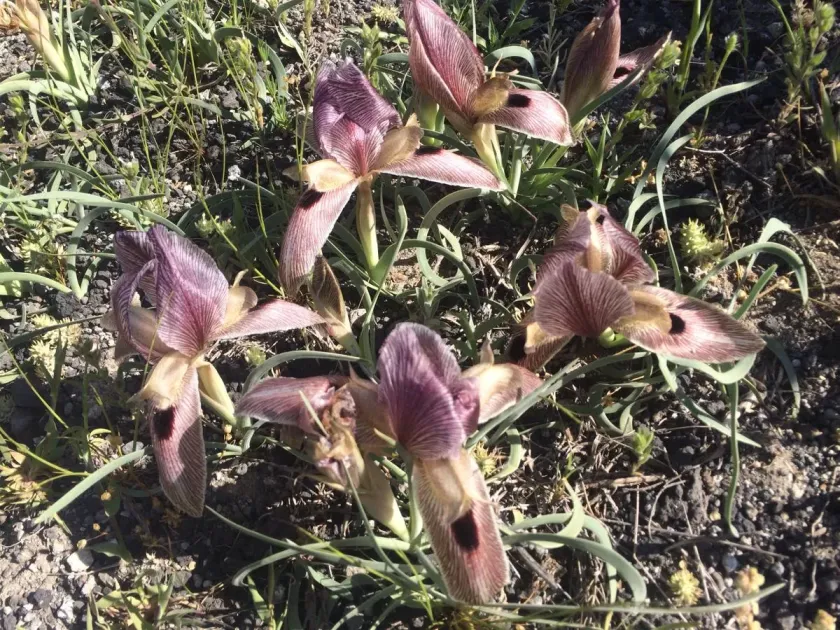
Description
Growing requirements
Iris sprengeri is a rare perennial herbaceous plant belonging to the Iridaceae family. Native to the rocky slopes of Turkey, this species is highly adapted to harsh, mountainous environments where drainage and exposure are primary factors.
The cultivation of this plant requires a precise substrate composition. It thrives in well-draining, calcareous, and stony soils that prevent any moisture accumulation, as stagnant water is lethal to its root system.
Environmental conditions are of paramount importance for this species. It demands full sun exposure to thrive, as shade negatively impacts the development of its foliage and its ability to initiate the blooming cycle during the spring season.
The climatic regime should mimic its native habitat, characterized by a cool winter rest period and a very dry, hot summer. This seasonal shift is vital, as the plant enters dormancy during the summer to ripen its rhizomes.
In terms of horticulture, Iris sprengeri is primarily prized by collectors and enthusiasts. It is best suited for alpine gardens or raised beds where soil moisture and pH can be strictly managed to provide optimal growing conditions.
Main diseases and pests
Root rot is the most significant threat to Iris sprengeri, typically triggered by improper irrigation or poor drainage. Protecting the roots from moisture excess, especially during the dormant season, is critical for plant survival.
Common horticultural pests, including aphids and thrips, can attack the plant during its active growth phase. Regular monitoring of the foliage is essential to detect pest activity before it leads to significant weakening of the plant.
Fungal diseases like leaf spot and rust are often encouraged by stagnant air or overcrowding in the garden. Ensuring adequate spacing between plants allows for better air circulation and reduces the likelihood of fungal outbreaks.
Wintering rodents can pose a physical threat to the rhizomes during the colder months. Installing wire mesh or using specific deterrents can effectively protect the plants from damage during the period of winter rest.
Integrated pest management strategies are recommended, focusing on preventative measures like sanitation and proper site selection. Using chemical treatments should be a last resort, applied only when environmental conditions are suitable.