
Iris sintenisii
Iris sintenisii
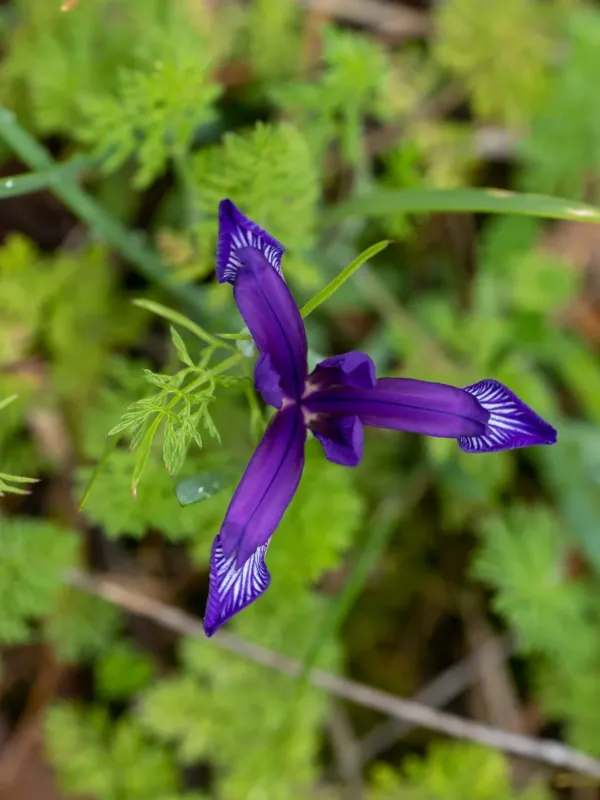
Description
Growing requirements
Iris sintenisii is a perennial herbaceous plant belonging to the Iridaceae family. This species originates from the Balkan Peninsula and Italy, where it thrives in open, rocky habitats and dry meadows, exhibiting high adaptability to nutrient-poor soils.
Botanically, the plant is characterized by its narrow, stiff, grass-like leaves forming dense tussocks. Its elegant violet-blue flowers and compact habit make it a prized species for rock gardens and naturalistic landscape designs.
The plant requires full sun exposure for optimal growth. Lack of sunlight often leads to weak flowering and a higher susceptibility to fungal infections, so selecting an appropriate site is crucial for successful cultivation.
Well-drained soil is a primary requirement for this iris. While it is tolerant of various soil types, it performs best in sandy or gravelly loam with neutral to slightly acidic pH. Poor drainage can easily cause root rot during the dormant season.
Regarding maintenance, Iris sintenisii is highly hardy and requires minimal intervention once established. It benefits from occasional cleaning of dead foliage in late autumn to ensure good air circulation around the crown of the plant.
Main diseases and pests
Fungal diseases such as leaf spot (heterosporium) are common threats to Iris sintenisii. These manifest as small brown lesions on the leaves, which can proliferate rapidly in humid and stagnant air conditions.
Bacterial rot is a significant concern for the rhizomes, especially in heavy soils with poor drainage. Proper site preparation, including the use of gravel or grit for drainage, is the most effective preventative measure against this pathology.
Pests like iris flies can be particularly problematic, as their larvae target the developing buds. Additionally, thrips and aphids may colonize the foliage during dry spells, sap-sucking and reducing the plant's vigor.
Integrated pest management strategies are recommended, including the use of targeted insecticides during the active growth phase. Regular inspection of the foliage helps in early detection of infestations, preventing major damage.
Sanitation is key to disease prevention. Removing and disposing of infected plant material helps maintain a healthy environment, ensuring the longevity and aesthetic value of the Iris sintenisii patch in the garden.