
Iris schachtii
Iris schachtii
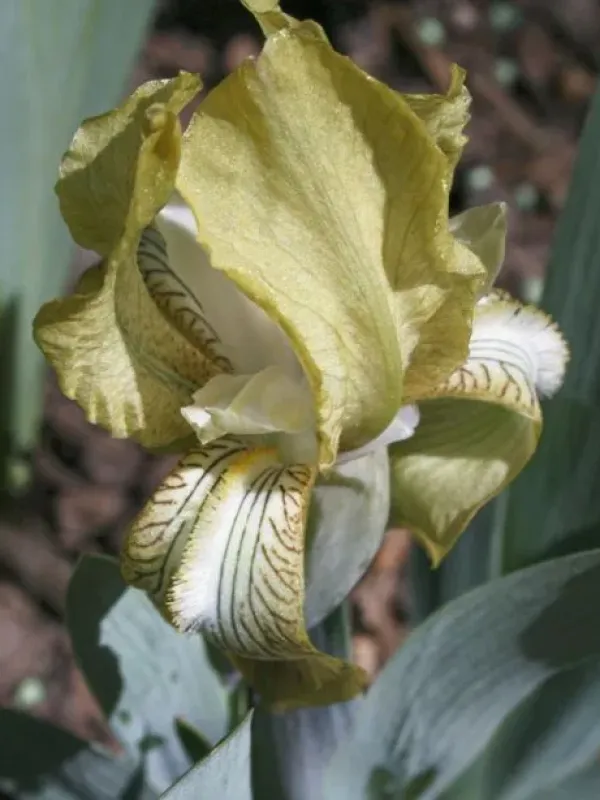
Description
Sowing dates
Iris schachtii is a perennial herbaceous plant belonging to the Iridaceae family. In its natural habitat, the plant primarily propagates through seeds, which require a period of cold stratification to germinate effectively.
For cultivation, seeds should be sown in the autumn, allowing them to undergo natural winter chilling in outdoor containers or directly in the ground. This exposure to low temperatures is crucial for breaking seed dormancy and ensuring uniform emergence in spring.
Vegetative propagation is achieved by dividing the rhizomes, which is the preferred method for maintaining the desired characteristics of a specimen. The best time for division is during the plant's dormancy phase, usually in late summer or early autumn.
When planting, rhizomes should be spaced approximately 25 to 30 centimeters apart to provide sufficient air circulation. Planting at shallow depths is essential, ensuring the upper side of the rhizome remains exposed to light and air to prevent rot.
Newly planted specimens require consistent watering until they establish a strong root system, after which they become highly drought-tolerant and well-suited for xeriscaping or rock garden environments.
Growing requirements
Native to the mountainous regions of Turkey, Iris schachtii thrives in rocky, well-drained limestone environments. Consequently, the soil for this plant must be light, stony, and possess excellent drainage to mimic its natural habitat.
This species requires full sun exposure to flourish and produce high-quality blooms. It is well-adapted to high-temperature periods and can handle harsh climatic conditions provided that its root zone is protected from waterlogging.
In regions with wet winters, protection from excessive moisture is vital. Incorporating grit or gravel into the planting substrate and around the base of the plant significantly reduces the risk of root decay caused by stagnant water.
The plant is naturally adapted to nutrient-poor soils, meaning heavy fertilizing is generally unnecessary and potentially harmful. Excessive growth induced by high nitrogen levels may weaken the plant and reduce its cold hardiness.
Due to its compact size and high resilience, Iris schachtii is an excellent candidate for alpine gardens and rockeries where it can be grown in elevated, well-drained positions that prevent water accumulation.
Main diseases and pests
Bacterial soft rot is the most significant threat to Iris schachtii, typically triggered by poor drainage or excessive humidity. Once the rhizome begins to decay, the infection can spread rapidly, leading to the total loss of the plant.
Fungal leaf spots, such as heterosporium leaf spot, may occur if air circulation is poor. Maintaining adequate spacing and removing debris around the plant during the dormant season are effective preventive measures.
Pests such as iris fly larvae can be detrimental, as they often target the developing flower buds. Regular observation during the spring growth phase is recommended to identify any signs of infestation early on.
During extended periods of heat, spider mites or aphids may infest the foliage. These pests can be managed through the careful application of targeted insecticides or, in light infestations, by washing the plants with a gentle stream of water.
General hygiene, including the removal of dead foliage in late autumn, is essential to minimize the overwintering of pathogens and harmful insects near the plant's crown.